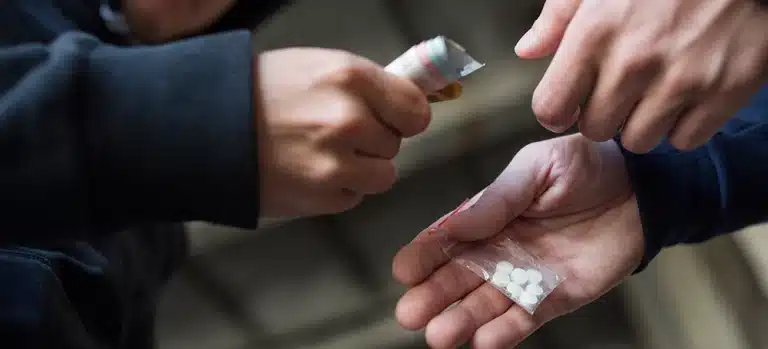
Prescription stimulant misuse has become increasingly common, particularly among college students and young adults seeking academic or work performance enhancement. While these medications serve important therapeutic purposes for conditions like attention deficit hyperactivity disorder and narcolepsy, their potential for abuse and mental health complications cannot be ignored. Recognizing the warning signs early can make the difference between a brief intervention and a long struggle with stimulant addiction.
Understanding prescription stimulant misuse signs helps families, friends, and healthcare providers identify problems before they escalate into full stimulant use disorder. This comprehensive guide explores the behavioral, physical, and emotional indicators that suggest someone may be abusing stimulants beyond their prescribed use.
What Are Prescription Stimulants?
Prescription stimulants are controlled medications primarily used to treat attention deficit hyperactivity disorder and narcolepsy by increasing central nervous system activity. These drugs work by enhancing dopamine and norepinephrine levels in the brain, particularly in areas responsible for attention and executive function. When used as prescribed, they help normalize focus, alertness, and impulse control in individuals with legitimate medical conditions.
Common prescription stimulants include:
- Amphetamine-based medications: Adderall (mixed amphetamine salts), Vyvanse (lisdexamfetamine), Dexedrine (dextroamphetamine)
- Methylphenidate-based drugs: Ritalin, Concerta, Focalin (dexmethylphenidate)
- Other stimulant medications: Strattera, Modafinil (though these work through different mechanisms)
Prescription stimulant misuse occurs when individuals:
- Take higher doses than prescribed or more frequently than directed
- Use someone else’s medication without a prescription
- Alter the route of administration (crushing and snorting pills, injecting)
- Use stimulants for non-medical purposes such as studying all night, losing weight, or getting high
According to national surveys, college students and young adults show particularly high rates of nonmedical stimulant use, with many obtaining pills from friends with legitimate prescriptions rather than illicit dealers. This pattern of diversion makes prescription stimulant misuse a significant public health concern, especially in academic environments where performance pressure is intense.
Early Warning Signs of Prescription Stimulant Misuse
Recognizing subtle behavioral and routine changes early provides the best opportunity for intervention before prescription stimulant misuse progresses to addiction. Many initial signs appear as seemingly positive changes in productivity or energy, making them easy to overlook or rationalize.
Behavioral Changes
- Academic/work pattern shifts: Suddenly staying up all night for study or work sessions, powered by stimulant medications
- Unusual productivity bursts: Intense focus on projects for extended periods, followed by crashes and withdrawal from activities
- Social changes: Spending more time with peers who share pills or discussing “study drugs” frequently
- Sleep disruption: Pulling frequent all-nighters, then sleeping excessively for 12-24 hours to recover
Physical Warning Signs
- Appetite and weight changes: Pronounced loss of appetite leading to rapid weight loss over weeks
- Autonomic symptoms: Persistent dry mouth, jaw clenching or teeth grinding, frequent headaches
- Eye changes: Dilated pupils, even in bright lighting conditions
- Energy fluctuations: Appearing “wired” but tired, restless fidgeting, inability to sit still
School and Work Indicators
- Performance inconsistency: Initial improvements followed by declining grades or work quality
- Attendance issues: Missing classes or shifts after intense study/work sessions
- Medication-seeking behavior: Frequently asking peers about ADHD medications or where to obtain them
- Cramming dependency: Relying on pills for any demanding cognitive task
In college towns throughout North Carolina, including areas near Wilmington, these warning signs often emerge around exam periods, major project deadlines, or during particularly stressful academic transitions. Mental health services administration data shows that environmental factors like academic pressure significantly increase risk for developing stimulant misuse patterns.
Behavioral and Emotional Signs of Prescription Stimulant Misuse
Mood and personality changes often become visible to family and friends before the actual drug use itself. These emotional shifts reflect the powerful effects stimulants have on brain chemistry and can signal that use has moved beyond appropriate therapeutic levels.
Mood and Emotional Volatility
- Intense irritability: Snapping at loved ones over minor issues, showing extreme impatience with normal daily frustrations
- Mood cycling: Going from highly energized and talkative to withdrawn and “crashing” within the same day
- Emotional lability: Rapid shifts between confidence, anxiety, euphoria, and depression that seem disconnected from circumstances
- Increased aggression: Verbal outbursts, road rage, or physical altercations that are out of character
Anxiety and Paranoid Behaviors
- Hypervigilance: Feeling constantly watched, criticized, or judged by others
- Performance anxiety: Excessive worry about academic or work performance, even when doing well objectively
- Social paranoia: Misinterpreting neutral comments as hostile or believing others are talking about them
- Racing thoughts: Describing thoughts as going too fast, jumping between topics rapidly
Compulsive and Secretive Patterns
- Medication obsession: Counting pills repeatedly, hiding bottles, or becoming anxious when medication supply runs low
- Deceptive behavior: Lying about dosages taken, denying obvious signs of intoxication, or making excuses for erratic behavior
- Social withdrawal: Canceling plans to stay home and use, isolating from family and non-using friends
- Online searching: Spending hours researching how to obtain stimulants, reading about effects, or visiting questionable pharmacy websites
Risk-Taking Behaviors
- Driving impairment: Operating vehicles while overstimulated, speeding, or taking unnecessary risks on the road
- Dose escalation: Taking double or triple prescribed amounts before exams, presentations, or important events
- Polysubstance use: Mixing stimulants with alcohol to “come down,” or combining with other drugs to enhance or counteract effects
- Financial risks: Spending money meant for essentials on obtaining additional pills or related substances
These behavioral symptoms of substance abuse often develop gradually, making them difficult for users themselves to recognize. Family members and close friends typically notice these changes before the individual acknowledges any problem exists.
Want to Learn More about how to Identify Prescription Stimulant Misuse?
Our addiction recovery team is here 24/7 to answer your questions or to get you help.
Physical and Cognitive Signs of Misuse and Dependence
Physical symptoms tend to escalate as stimulant use becomes more frequent or doses climb beyond prescribed therapeutic levels. These signs reflect the powerful effects stimulants have on the cardiovascular system and central nervous system function.
Cardiovascular and Autonomic Effects
- Elevated vital signs: Persistently rapid heart rate (tachycardia), high blood pressure readings, irregular heartbeat patterns
- Thermal regulation issues: Excessive sweating without physical exertion, feeling hot or flushed, temperature fluctuations
- Chest symptoms: Chest pain, palpitations, or shortness of breath, particularly concerning during physical activity
- Tremors and motor symptoms: Fine hand tremors, muscle twitches, restlessness, or hyperactive movement patterns
Sleep and Appetite Disruption
- Severe insomnia: Staying awake for 24-48 hours, then crashing and sleeping excessively for extended periods
- Appetite suppression: Complete loss of interest in food, forgetting to eat for long stretches, rapid weight loss over 1-3 months
- Gastrointestinal symptoms: Nausea, stomach cramps, digestive issues related to reduced food intake and stimulant effects
- Hydration problems: Chronic dry mouth, reduced thirst awareness, potential dehydration
Cognitive Changes and Memory Issues
- Hyperfocus periods: Intense concentration on single tasks with reduced awareness of surroundings or time
- Attention fragmentation: Initial “laser focus” giving way to scattered thinking, memory gaps, difficulty organizing thoughts
- Cognitive dependence: Feeling unable to think clearly, work effectively, or function normally without medication
- Memory problems: Short-term memory difficulties, confusion about recent events, trouble following conversations
Route-Specific Physical Signs
When individuals alter the intended oral route of administration, specific physical evidence appears:
- Intranasal misuse: Chronic nosebleeds, nasal irritation, sinus problems, potential septal damage
- Injection-related signs: Track marks, puncture wounds, skin infections, increased risk of bloodborne illnesses
- Respiratory symptoms: Chronic cough, bronchitis if smoking crushed pills
These physical symptoms can occur even when stimulant drugs were originally prescribed legitimately for ADHD or narcolepsy, especially when individuals begin self-adjusting doses beyond medical recommendations. The addictive potential of these medications means that legitimate patients can develop dependence and exhibit these concerning signs.
Red Flags of Prescription Stimulant Addiction (Stimulant Use Disorder)
Stimulant addiction, clinically known as stimulant use disorder, involves loss of control over drug use, continued use despite negative consequences, and strong drug cravings. These red flags align with diagnostic criteria and indicate that professional intervention is urgently needed.
Loss of Control Indicators
- Inability to limit use: Taking more pills than planned, being unable to cut back despite repeated promises or attempts
- Time preoccupation: Spending significant time thinking about, obtaining, using, or recovering from stimulant effects
- Failed quit attempts: Multiple unsuccessful efforts to stop or reduce use, often followed by rapid relapse to previous levels
- Dose tolerance: Requiring progressively higher doses to achieve the same effects that lower amounts once produced
Life Impact and Functional Impairment
- Academic deterioration: Declining grades despite increased study time, academic probation, loss of scholarships
- Occupational problems: Workplace disciplinary actions, supervisor warnings, increased absenteeism, job loss
- Relationship strain: Conflicts with family and friends over behavior, lying about drug use, social isolation
- Financial consequences: Money problems from purchasing pills, neglecting financial responsibilities
Healthcare and Prescription-Related Red Flags
- Early refill requests: Consistently running out of prescribed medication before the scheduled refill date
- Doctor shopping: Visiting multiple prescribers to obtain additional or overlapping stimulant prescriptions
- Prescription deception: Claiming lost or stolen prescriptions repeatedly, exaggerating symptoms to get higher doses
- Illegal acquisition: Purchasing pills from peers, using online pharmacies, or other illicit sources
Withdrawal and Dependence Signs
When attempting to cut back or stop use, individuals with stimulant use disorder experience characteristic withdrawal symptoms:
- Severe fatigue: Intense exhaustion, sleeping for extended periods, inability to maintain normal energy levels
- Depression and mood changes: Marked sadness, hopelessness, irritability, anhedonia (inability to feel pleasure)
- Intense cravings: Strong urges to use stimulants to relieve discomfort and restore normal functioning
- Sleep disturbances: Paradoxical insomnia despite fatigue, restless or disrupted sleep patterns
- Appetite rebound: Dramatic increase in hunger and potential rapid weight gain
These withdrawal symptoms often begin within 2-4 days after stopping heavy stimulant use and can persist for 2-4 weeks, frequently leading to relapse if professional support isn’t available.

Risks and Consequences of Ongoing Prescription Stimulant Misuse
Continued prescription stimulant misuse creates significant risk for serious medical, psychological, and social consequences that can persist long after drug use stops. Even medications that began as legitimate prescriptions for attention deficit hyperactivity disorder can cause severe adverse effects when misused.
Cardiovascular and Medical Risks
- Heart complications: High blood pressure, irregular heartbeat, increased risk of heart attack or stroke, especially during intense physical exertion
- Hyperthermia danger: Dangerously elevated body temperature during physical activity or in hot environments
- Seizure risk: Increased likelihood of seizures, particularly at higher doses or with rapid dose escalation
- Nutritional deficits: Malnutrition, vitamin deficiencies, and related health problems from chronic appetite suppression
Mental Health Complications
- Stimulant-induced psychosis: Hallucinations, delusions, paranoid thoughts that can persist even after stopping use
- Panic attacks: Severe anxiety episodes, panic disorder development, generalized anxiety that interferes with daily functioning
- Depression: Both during use and withdrawal periods, sometimes severe enough to include suicidal ideation
- Co occurring mental disorders: Worsening of pre-existing conditions like bipolar disorder, ADHD, or other mental health conditions
Academic and Professional Consequences
- Educational sanctions: Academic probation, suspension, loss of financial aid, delayed graduation
- Career damage: Professional licensing issues in healthcare, education, transportation fields; workplace discipline or termination
- Performance paradox: Initial productivity gains followed by declining performance despite continued or increased use
- Motor vehicle accidents: Impaired judgment and risk-taking while under the influence leading to crashes or traffic violations
Legal and Social Risks
- Criminal charges: Selling or sharing controlled substances, prescription fraud, possession without a prescription
- Relationship destruction: Family conflicts, lost friendships, romantic relationship problems due to deceptive behavior
- Financial problems: Spending money on illicit pills, legal fees, medical costs from adverse effects
- Dangerous polysubstance use: Combining stimulants with alcohol, benzodiazepines, opioids, or illicit drugs with potentially fatal interactions
The Substance Abuse and Mental Health Services Administration emphasizes that these negative consequences often develop gradually, making it difficult for users and families to recognize the full scope of damage until significant harm has occurred.
When and How to Seek Help
Early intervention at the first signs of prescription stimulant misuse offers the best chance for successful recovery before addiction fully develops. Shame and fear often delay treatment, but professional help is available and recovery outcomes improve significantly when treatment begins sooner rather than later.
When to Contact a Healthcare Professional
Immediate medical attention is needed for:
- Cardiovascular symptoms: Chest pain, severe heart palpitations, difficulty breathing, or signs of stroke
- Psychiatric emergencies: Hallucinations, delusions, severe paranoia, or suicidal thoughts
- Overdose effects: Hyperthermia, seizures, loss of consciousness, or extreme agitation
- Withdrawal concerns: Severe depression, intense drug cravings, or inability to function without stimulants
Routine professional consultation should occur when noticing:
- Patterns of taking higher doses than prescribed or using medication more frequently
- Multiple early refill requests or seeking prescriptions from various doctors
- Significant changes in sleep, appetite, mood, or social functioning
- Academic or work performance declining despite increased stimulant use
Treatment Options and Approaches
Medical Assessment and Monitoring Licensed professional counselor or physician evaluation includes comprehensive substance abuse history, screening for co occurring disorders, and safe medication management. Medical supervision helps manage potential withdrawal symptoms and monitors cardiovascular health during treatment.
Outpatient Therapy Services Evidence-based behavioral treatments include:
- Cognitive-behavioral therapy to identify triggers and develop coping strategies
- Motivational interviewing to enhance motivation for change
- Contingency management programs that reward progress toward recovery goals
Intensive Treatment Programs For severe stimulant use disorder or when outpatient care isn’t sufficient:
- Intensive outpatient programs providing multiple therapy sessions weekly
- Partial hospitalization for structured daily treatment while living at home
- Residential treatment when home environment poses risks or other drugs are involved
Specialized Regional Resources
Mental health and addiction treatment centers like Topsail Addiction Treatment in North Carolina provide comprehensive care specifically designed for prescription stimulant and other substance abuse treatment. These facilities offer medically informed assessment, evidence-based therapy modalities, and family support services that address the complex factors contributing to stimulant misuse.
Topsail’s integrated approach recognizes that prescription stimulant addiction often co-occurs with mental health conditions like ADHD, anxiety, or depression. Their treatment teams can differentiate between appropriate therapeutic stimulant use and problematic misuse patterns, helping individuals safely manage legitimate medical needs while addressing addictive behaviors.
Creating a Support Plan
Family Involvement
- Educate loved ones about prescription stimulant misuse signs and recovery process
- Establish honest communication about medication use and treatment progress
- Remove or secure unused stimulant medications to prevent diversion or relapse
Safety Planning
- Develop crisis intervention plans for severe mood symptoms or suicidal thoughts
- Consider naloxone availability if other substances like opioids are also used
- Create accountability systems with trusted friends or family members
Environmental Modifications
- Address academic or work stress that may have contributed to initial misuse
- Modify social environments that normalize or encourage non-medical stimulant use
- Develop healthy coping strategies for performance pressure and stress management
Recovery from prescription stimulant misuse is achievable with appropriate professional support and evidence-based treatment. The earlier warning signs are recognized and addressed, the better the long-term outcomes for maintaining both mental health and legitimate medical care when needed.
Don’t wait for prescription stimulant misuse signs to worsen before seeking help. Contact a healthcare provider, mental health professional, or specialized addiction treatment center to discuss concerns and explore treatment options. Professional assessment can determine the most appropriate level of care and help develop a personalized recovery plan that addresses both substance abuse and any underlying mental health conditions.
Related Posts

Opioid Misuse Signs in Older Adults
Key Takeaways Opioid misuse in adults 65 and older is rising and often mistaken for “normal aging,” leading to delayed diagnosis and preventable harm such
Teen Prescription Drug Misuse: What You Need to Know
Key Takeaways Teen prescription drug misuse involves using medications without a prescription, in higher doses than directed, or for reasons other than prescribed—and nearly 1

Benzo Addiction Explained: The What, Why and How
Key Takeaways Benzodiazepines like Xanax, Klonopin, Ativan, and Valium are among the most widely prescribed prescription drugs in the United States, yet physical and psychological
How Addictive Is Fentanyl?
Key Takeaways Fentanyl is one of the most addictive and dangerous opioids in the current U.S. drug supply, driving the majority of overdose deaths since

Recovery from Multiple Drug Dependencies
Yes, recovery from multiple drug dependencies is absolutely possible. Every year in the United States, thousands of people successfully overcome long-term addictions to multiple substances—whether

Functional Alcoholism Signs: How to Spot a Hidden Drinking Problem
Functional alcoholism represents one of the most challenging forms of alcohol addiction to recognize and address. Unlike the stereotypical image of someone whose life has