Key Takeaways
- Benzodiazepines like Xanax, Klonopin, Ativan, and Valium are among the most widely prescribed prescription drugs in the United States, yet physical and psychological dependence can develop within just a few weeks of daily use.
- In 2022, approximately 92 million benzodiazepine prescriptions were dispensed in the U.S., and over 12,000 overdose deaths in 2020–2021 involved benzos—often combined with opioids or alcohol.
- Stopping benzos suddenly can trigger life-threatening withdrawal symptoms, including seizures, making medically supervised tapering or detox essential for safe recovery.
- Benzo addiction has recognizable warning signs: tolerance develops requiring higher doses, cravings emerge, memory problems surface, and behaviors like doctor shopping or hiding pills become common.
Specialized treatment programs that address both addiction and underlying mental health conditions—such as those offered by Topsail Addiction Treatment—can safely manage withdrawal symptoms and provide comprehensive support for long term recovery.
What Are Benzodiazepines?
Benzodiazepines are a class of prescription central nervous system depressants first introduced in the early 1960s as safer alternatives to barbiturates. These benzodiazepine drugs work by enhancing the effects of gamma aminobutyric acid (GABA), the brain’s primary inhibitory neurotransmitter. When benzos bind to GABA receptors, they increase the frequency of chloride channel opening, producing a calming effect that reduces anxiety, relaxes muscles, prevents seizures, and promotes sleep.
The most common benzodiazepines prescribed in the United States include:
- Alprazolam (Xanax)
- Clonazepam (Klonopin)
- Lorazepam (Ativan)
- Diazepam (Valium)
- Temazepam (Restoril)
- Chlordiazepoxide (Librium)
- Triazolam (Halcion)
Under the U.S. Controlled Substances Act, benzodiazepines are classified as Schedule IV controlled substances. This means they’re legal with a valid prescription but carry recognized risks for misuse and benzodiazepine dependence.
One important distinction among these medications is their duration of action. Short acting benzodiazepines like alprazolam work quickly but wear off within hours, while longer acting benzodiazepines like diazepam stay active in the body for extended periods. This difference significantly impacts both their therapeutic uses and their addiction potential—a topic we’ll explore in greater detail later.
Benzos are frequently prescribed by primary care providers, psychiatrists, and emergency room physicians for acute anxiety and other mental health conditions. This widespread prescribing pattern contributes to their broad availability and, unfortunately, to the growing problem of benzodiazepine misuse.
Why Are Benzodiazepines Prescribed?
Benzodiazepines are intended mainly for short-term or intermittent use, though many patients end up taking benzodiazepines for months or even years. Clinical guidelines from organizations like the American Psychiatric Association typically recommend limiting continuous benzo use to a few weeks when possible, specifically because tolerance develops and dependence risks increase significantly with prolonged use.
Common approved uses for benzodiazepines include:
- Generalized anxiety disorder – reducing persistent worry and tension
- Panic disorder – stopping acute panic attacks and reducing their frequency
- Insomnia – helping with sleep onset and maintenance, particularly with hypnotic medications like temazepam
- Seizure disorders – preventing and treating seizures, including status epilepticus
- Muscle spasms – providing muscle relaxant effects for acute musculoskeletal conditions
- Alcohol withdrawal – preventing dangerous withdrawal phenomena including seizures during detox
Beyond these primary uses, benzos are sometimes prescribed off-label for pre-procedure sedation, acute agitation, or severe situational anxiety. The problem arises when repeated prescriptions for chronic stress or trauma symptoms inadvertently pave the way toward benzodiazepine addiction.
It’s critical to understand that combining benzodiazepines prescribed by your doctor with other drugs—especially alcohol or opioids—dramatically increases your overdose effects risk. This concomitant use of central nervous system depressants can cause profound respiratory depression and death, a danger we’ll examine more closely in the withdrawal and overdose section.
What Makes Benzos Addictive?
Benzo addiction develops through a combination of brain changes and psychological reinforcement, even when someone starts the medication for entirely legitimate medical conditions. Understanding these mechanisms helps explain why benzodiazepine addiction can take hold so quickly and prove so difficult to overcome.
The Neurobiological Hook
When you take a benzodiazepine, it enhances GABA activity throughout your nervous system, creating rapid relief from anxiety, panic, or insomnia. This quick fix doesn’t just calm you down—it teaches your brain that benzos are an efficient way to eliminate distress. The drug’s effects on neurotransmitter systems, including indirect influences on dopamine pathways, reinforce this learning at a deep neurological level.
Tolerance: When Your Dose Stops Working
Over weeks or months of regular use, tolerance develops. Your brain compensates for the constant presence of benzos by downregulating GABA receptors and upregulating excitatory systems. The result? The same effects now require higher doses. Many people find themselves gradually increasing their dose or taking pills more frequently just to achieve the same calming effect they experienced initially.
Physical Dependence: Your Brain’s New Normal
Physical dependence occurs when your brain becomes so accustomed to benzos that it can’t function normally without them. If you suddenly reduce or stop your dose, your nervous system becomes hyperexcitable. This produces characteristic withdrawal symptoms: rebound anxiety, insomnia, tremors, and in severe cases, seizures.
Psychological Dependence: The Emotional Trap
Beyond the physical changes, psychological dependence develops when benzos become your primary coping mechanism. You may start to believe you genuinely cannot handle stress, sleep problems, or social situations without your medication. This fear of facing life without benzos fuels compulsive use and makes the prospect of quitting feel overwhelming.
Short acting benzodiazepines like Xanax carry particularly high addiction potential. Their rapid onset provides quick relief, but their short duration means effects fade within hours—sometimes creating mini-withdrawals between doses that drive cravings and encourage more frequent dosing.
Want to Learn More about Benzo Addiction?
Our addiction recovery team is here 24/7 to answer your questions or to get you help.
Short-Acting vs. Long-Acting Benzos
A benzodiazepine’s half-life—how long it remains active in your body—significantly affects both its clinical applications and its addiction and withdrawal profile. Understanding this distinction helps explain why some benzos are more problematic than others.
Short-Acting Benzodiazepines
Medications like alprazolam (Xanax), lorazepam (Ativan), and triazolam (Halcion) are short acting benzodiazepines. They work quickly, often within 15-30 minutes, and are commonly used for acute anxiety, panic attacks, or difficulty falling asleep.
The downside? Because their effects fade within hours, people may experience rebound symptoms between doses. This creates a cycle of relief followed by discomfort, which can intensify cravings and encourage taking extra pills or dosing more frequently than prescribed.
Long-Acting Benzodiazepines
Longer acting benzodiazepines like diazepam (Valium), clonazepam (Klonopin), and chlordiazepoxide (Librium) come on more gradually and remain active in your system for much longer. These are often preferred for chronic anxiety, seizure prevention, or alcohol withdrawal management.
While they produce a “smoother” experience with less dramatic peaks and valleys, long-acting benzos can accumulate in the body over time. This accumulation contributes to cognitive impairment, excessive sedation, impaired coordination, and increased risk of falls—particularly in older adults.
Comparison Table: Short-Acting vs. Long-Acting Benzodiazepines
Feature | Short-Acting Benzos | Long-Acting Benzos |
Examples | Xanax, Ativan, Halcion | Valium, Klonopin, Librium |
Onset | Rapid (15-30 minutes) | Gradual (30-60 minutes) |
Duration | 4-8 hours | 12-24+ hours |
Typical Uses | Acute anxiety, panic attacks, sleep onset | Chronic anxiety, seizures, alcohol withdrawal |
Addiction Risk | Higher (rapid reward cycle) | Moderate (slower, more gradual effects) |
Withdrawal Considerations | Earlier, more intense symptoms | Delayed onset, often more prolonged |
Clinicians often use long-acting benzos during medically supervised tapers because their gradual decline in blood levels makes benzo withdrawal more manageable.
Signs and Symptoms of Benzo Addiction
The symptoms of benzodiazepine use disorder vary depending on dose, duration of use, and whether other substances like alcohol or opioids are involved. However, certain patterns consistently emerge across most cases of benzo addiction.
Behavioral Signs
- Taking more medication than prescribed or running out of prescriptions early
- Attempting to obtain multiple prescriptions from different providers (doctor shopping)
- Lying about use to family, friends, or healthcare providers
- Hiding pills around the house or carrying extra doses “just in case”
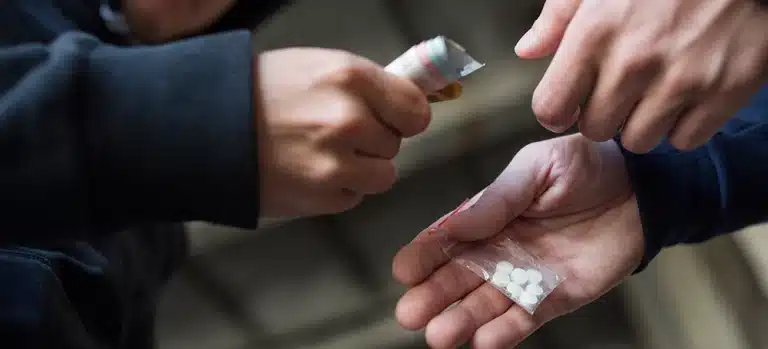
- Using someone else’s medication or purchasing benzos illicitly
- Increasing doctor visits specifically to obtain refills
Physical Signs
- Constant drowsiness or appearing sedated during normal activities
- Slowed reflexes and impaired coordination
- Frequent falls, car accidents, or unexplained injuries
- Slurred speech, even when sober
- Blurred vision and persistent headaches
- Unexplained bruises from falls or accidents
Cognitive and Emotional Signs
- Memory problems, particularly difficulty forming new memories
- Difficulty concentrating or “brain fog”
- Disorientation or confusion
- Emotional blunting—feeling numb or disconnected
- Irritability and mood swings
- Increased baseline anxiety between doses
Social and Functional Signs
- Missing work, school, or important appointments
- Declining performance in professional or academic settings
- Withdrawing from relationships and social activities
- Neglecting responsibilities at home
- Losing interest in hobbies or activities that once brought joy
A Common Progression
Consider someone who receives their first Xanax prescription in early 2021 for occasional panic attacks. Initially, they take 0.25mg as needed—maybe twice weekly. By mid-2022, they’re taking it daily. By 2023, the original dose barely touches their anxiety, so their prescriber increases it to 1mg twice daily.
By 2024, they’re taking three or four doses daily, sometimes double-dosing before stressful situations. They’ve switched doctors twice after being questioned about their use. They can’t imagine facing a work presentation, a family dinner, or even a restful night without their pills. They’ve crossed from therapeutic doses into benzodiazepine misuse—and they’re terrified to stop.
This progression from prescribed benzodiazepines to compulsive use is more common than many realize.
Short- and Long-Term Effects of Benzo Misuse
Even when benzodiazepines are used exactly as prescribed, prolonged use can produce harmful effects. When misuse enters the picture—taking higher doses, using more frequently, or combining with other drugs—the consequences become more severe.
Short-Term Effects
The immediate effects of benzo use include:
- Sedation and drowsiness that interfere with daily functioning
- Dizziness and lightheadedness
- Slowed reaction time that impairs driving and operating machinery
- Impaired judgment and decision-making
- Memory gaps, particularly anterograde amnesia (difficulty forming new memories)
- Worsened depression in some individuals
- Increased risk for accidents, falls, and injuries
Long-Term Effects
Chronic use produces more persistent problems:
- Cognitive impairment – difficulties with attention, verbal memory, processing speed, and executive function that may persist even after stopping the drug
- Emotional numbing – reduced capacity to experience positive emotions or connect with others
- Paradoxical anxiety – baseline anxiety levels actually worsen over time, partly due to tolerance and inter-dose withdrawal
- Increased depression risk – long-term users show higher rates of depressive symptoms and suicidal thoughts
- Sleep disturbances – while benzos initially help with sleep, chronic use disrupts natural sleep architecture
Physical Health Consequences
- Development of physical dependence requiring increasingly higher doses
- Respiratory suppression, especially dangerous with concomitant use of opioids or alcohol
- Higher risk of falls and fractures, particularly in adults over 65
- Some research suggests an association between long-term benzo use and increased dementia risk, though this remains a topic of ongoing scientific debate
Life Impact
Beyond physical and mental health, benzo addiction damages relationships through eroded trust, creates financial strain when people buy pills outside legitimate channels, leads to legal consequences like DUI charges, and reduces capacity to work effectively or parent consistently.
Benzo Withdrawal and Overdose Risks
Benzodiazepine withdrawal can be medically dangerous and should never be attempted abruptly or without professional guidance. Unlike opioid withdrawal—which is intensely uncomfortable but rarely life-threatening—benzo withdrawal can cause seizures and death.
Typical Withdrawal Symptoms
When someone who has developed physical dependence reduces their dose or stops taking benzos, benzodiazepine withdrawal symptoms typically begin within 24-72 hours, especially with short acting benzodiazepines. Common symptoms include:
- Rebound anxiety, often more intense than the original anxiety that led to the prescription
- Severe insomnia and sleep disturbances
- Agitation and restlessness
- Sweating and rapid heartbeat
- Tremors and shakiness
- Muscle pain and muscle spasms
- Nausea and vomiting
- Headaches
Severe and Life-Threatening Symptoms
In more serious cases, benzodiazepine withdrawal syndrome can produce:
- Hallucinations (visual, auditory, or tactile)
- Psychosis and paranoia
- Severe confusion and disorientation
- Delirium
- Grand mal seizures
Withdrawal risks are highest with high doses, abrupt cessation, long-term use, and polydrug use involving alcohol or other sedatives.
Safe Tapering Approach
To manage withdrawal symptoms safely, the standard medical approach involves a gradual taper—typically reducing doses by 10-25% every one to two weeks, adjusted based on individual response. Many clinicians convert patients from short-acting benzos to a longer acting benzodiazepine like diazepam before tapering, as this provides smoother blood level declines and more tolerable withdrawal.
This process requires medical supervision and often takes weeks or months to complete safely.
Overdose: A Growing Crisis
Benzodiazepine overdose effects include:
- Extreme drowsiness or unresponsiveness
- Severely slowed or stopped breathing
- Blue-tinged lips or fingertips
- Loss of consciousness
- Coma and death
While isolated benzo overdose is less commonly fatal than opioid overdose, the combination is devastating. According to CDC data, approximately 30% of opioid overdose deaths also involve benzodiazepines. The concomitant use of benzos with opioids, alcohol, or other central nervous system depressants remains a primary driver of fatal overdoses.
Causes and Risk Factors for Benzo Addiction
Benzo addiction develops from a complex interplay of genetics, environment, mental health, and prescribing patterns—not from moral failure or lack of willpower. Understanding these risk factors helps explain why some people develop benzodiazepine addiction while others using the same medication do not.
Genetic and Family Factors
- Family history of substance use disorders, including alcohol or sedative misuse
- Genetic predisposition to anxiety, depression, or impulsivity
- Inherited differences in how the body metabolizes benzos
Mental Health Factors
- Pre-existing anxiety disorders, including generalized anxiety, social anxiety, and panic disorder
- Post-traumatic stress disorder (PTSD) or history of trauma
- Major depression or bipolar disorder
- Tendency toward emotional avoidance or difficulty tolerating distress
For individuals with these other mental health conditions, the rapid relief benzos provide can feel especially compelling—and especially hard to give up.
Environmental Factors
- High-stress occupations or caregiving responsibilities
- Relationship conflict or domestic instability
- Social isolation and lack of support systems
- Easy access to prescriptions or leftover medications in the home
- Cultural normalization of using pills to cope with stress
Medical and Prescribing Factors
- Long-term or high doses benzodiazepine prescriptions
- Multiple prescribers who don’t coordinate care (leading to multiple prescriptions)
- Rapid refills without clinical reassessment
- Lack of education about alternatives like cognitive behavioral therapy or non-addictive medications
Social Factors
Stigma around mental health treatment can push people toward “quick fix” medications rather than comprehensive care. When therapy feels inaccessible—due to cost, wait times, or shame—a prescription pad becomes the path of least resistance.

Co-Occurring Mental Health Conditions
Many people with benzo addiction originally received their prescription for legitimate mental health symptoms. Those underlying conditions typically persist alongside the addiction—and often worsen over time.
Common Co-Occurring Diagnoses
- Generalized anxiety disorder
- Social anxiety disorder
- Panic disorder
- PTSD and trauma-related conditions
- Major depressive disorder
- Bipolar disorder
- Certain personality disorders
The Masking Problem
Benzodiazepines can temporarily mask symptoms like panic or insomnia. But over time, benzos may actually increase baseline anxiety and mood instability—particularly between doses or during withdrawal phenomena. This creates a vicious cycle where the medication that once helped now contributes to the very symptoms it was meant to treat.
The Case for Integrated Care
Effective treatment must address both the substance use disorders and the underlying mental health conditions simultaneously. Treatment plans that focus only on stopping benzos while ignoring the anxiety, depression, or trauma that led to their use leave patients vulnerable to relapse.
Facilities like Topsail coordinate care between addiction specialists, psychiatrists, and therapists to create unified treatment strategies. Rather than treating addiction and mental health as separate issues, this approach recognizes they’re deeply interconnected and require a comprehensive response.
Treatment Options for Benzo Addiction
Benzodiazepine addiction is treatable. Recovery typically unfolds in stages: assessment, detox and tapering, rehabilitation, and ongoing aftercare. The specific treatment path depends on the severity of addiction, the presence of co-occurring conditions, and individual circumstances.
Medical Detox and Tapering
Safe discontinuation of benzos requires close medical supervision. Treatment typically includes:
- Comprehensive assessment of current benzo use, other drugs, and medical history
- Conversion to a long-acting benzodiazepine if appropriate
- Gradual dose reductions (often 10-25% every 1-2 weeks)
- Medications to manage symptoms like insomnia, nausea, and acute anxiety
- Monitoring for seizures, delirium, or other serious complications
- Supportive care including hydration, nutrition, and reassurance
Levels of Care
Level | Description | Best For |
Inpatient/Residential | 24/7 medical and therapeutic support | High-dose users, severe withdrawal risk, unstable home environment |
Partial Hospitalization (PHP) | Intensive day treatment with evenings at home | Moderate severity, stable housing, strong support system |
Intensive Outpatient (IOP) | Several hours of treatment multiple days per week | Step-down from higher care or moderate severity |
Standard Outpatient | Weekly therapy and medication management | Maintenance and long term recovery support |
Evidence-Based Therapies
- Cognitive Behavioral Therapy (CBT) – addresses anxiety, negative thought patterns, and behavioral change
- Dialectical Behavior Therapy (DBT) – teaches emotion regulation and distress tolerance skills
- Trauma-focused therapies (such as EMDR) – process underlying trauma that may drive substance use
- Motivational interviewing – builds readiness and commitment to change
- CBT for insomnia (CBT-I) – addresses sleep problems without medication
Support Groups and Peer-Based Programs
Groups like 12-step fellowships, SMART Recovery, and specialized benzo support communities provide community, accountability, and ongoing encouragement after formal treatment ends. Many people find that peer support is essential for sustaining recovery.
Example Treatment Timeline
While every case is individualized, a common pathway might include:
- Days 1-14: Medically supervised taper in a detox setting with 24/7 monitoring
- Weeks 3-8: Residential or PHP treatment with intensive therapy, medication management, and skill-building
- Months 3-6: Step-down to IOP while practicing new coping strategies
- Ongoing: Weekly outpatient therapy, support groups, and regular check-ins
Life After Benzos: Recovery and Relapse Prevention
Many people successfully taper off benzodiazepines and go on to live stable, fulfilling lives with healthier coping tools. Recovery is absolutely possible—though it requires commitment, support, and new skills.
Building New Coping Strategies
Recovery involves replacing benzos with sustainable approaches to managing anxiety and sleep disturbances:
- Relaxation training – progressive muscle relaxation, deep breathing exercises
- Mindfulness and meditation – building present-moment awareness and distress tolerance
- Regular exercise – proven to reduce anxiety and improve sleep
- Sleep hygiene – consistent schedules, limited screen time, optimal sleep environment
- Stress management – time management, boundary-setting, problem-solving skills
Ongoing Therapy
Continued therapy helps address underlying issues like trauma, perfectionism, or relationship patterns that may have contributed to drug abuse. Processing these root causes reduces the pull toward substances when stress inevitably arises.
Relapse Prevention Elements
- Recognize triggers – major stress, grief, conflict, sleep problems, medical procedures
- Create a written crisis plan – specific steps to take when cravings or warning signs appear
- Involve supportive people – family members or friends who understand the recovery process
- Have a clear help-seeking process – knowing exactly who to call and when
Medication Options in Recovery
Some people benefit from continued non-addictive medications managed by a psychiatrist:
- SSRIs or SNRIs for anxiety and depression
- Buspirone for generalized anxiety
- Non-sedating sleep aids when appropriate
- Beta-blockers for situational anxiety
What a Year in Recovery Might Look Like
Imagine someone who completes a 45-day residential program at a dedicated treatment center. In their first months home, they attend IOP three evenings a week and see their psychiatrist monthly. They’ve started taking an SSRI, which helps with baseline anxiety without the fog benzos created.
By month six, they’re down to weekly outpatient therapy and a weekly SMART Recovery meeting. They’ve taken up morning walks and a meditation app. Anxiety still shows up—but they notice it, breathe through it, and let it pass rather than reaching for a pill.
At the one-year mark, they’re working full-time, reconnecting with family, and sleeping better than they have in years. They haven’t forgotten the grip benzos once had on their life. But they’ve built something new—a life that doesn’t require chemical sedation to feel manageable.
How Topsail Can Help
Topsail Addiction Treatment is a specialized mental health and addiction treatment provider that works with people struggling with prescription drug issues, including benzodiazepine dependence and addiction.
Services and Approach
Topsail offers comprehensive treatment options designed to address both addiction and underlying mental health needs:
- Medically supervised benzo tapering and detox under close clinical monitoring
- Residential and day treatment programs with structured therapeutic programming
- Intensive outpatient care for those stepping down or needing flexible scheduling
- Individualized therapy focused on both anxiety management and addiction recovery
Evidence-Based, Compassionate Care
Topsail’s clinical approach integrates medical care, psychotherapy, and family involvement to support sustainable recovery. The treatment team understands that people don’t develop benzo addiction because they’re weak—they developed it while trying to manage real suffering with the tools available to them.
Complex Cases, Coordinated Care
For clients with co-occurring conditions like PTSD alongside benzodiazepine dependence, Topsail coordinates care between addiction specialists, psychiatrists, and trauma therapists. This unified approach means clients don’t have to navigate withdrawal while their anxiety or depression goes untreated.
Taking the First Step
If you recognize the patterns described in this article in yourself or someone you love, help is available. Topsail offers confidential assessments to discuss your situation, understand your treatment options, and take the first steps toward recovery. You don’t have to figure this out alone—and you don’t have to keep living the way you’re living now.
FAQ: Benzo Addiction Explained
How long does it take to get addicted to benzodiazepines?
Physical dependence can develop within a few weeks of daily use. The risk of full addiction—characterized by compulsive use despite harm and inability to stop—increases significantly after 3-4 months of regular dosing. Risk is higher with high doses, short-acting benzos, and a prior history of substance use disorders. Some sources suggest that nearly one-third of patients taking benzos daily for four weeks or longer develop some degree of dependence.
Can I ever use benzos again after recovering from addiction?
Most addiction specialists recommend avoiding future benzodiazepine prescriptions if possible, given the established pattern of dependence. However, decisions should be made on a case-by-case basis with a trusted prescriber who knows your history. If a situation arises where benzos might be indicated (such as a medical procedure), your treatment team can explore non-addictive alternatives first and, if benzos are truly necessary, implement strict safeguards like limited quantities and no refills.
Are there safer medications or alternatives for anxiety and insomnia?
Yes. For anxiety, options include SSRIs, SNRIs, buspirone, and certain anticonvulsants. For insomnia, cognitive behavioral therapy for insomnia (CBT-I) is considered first-line treatment and is highly effective. Non-drug interventions like relaxation training, sleep hygiene optimization, mindfulness-based therapies, and regular exercise also help many people manage these conditions without the risks associated with benzodiazepines.
What should I do if my loved one denies having a benzo problem?
Focus on specific behaviors and consequences rather than arguing about whether they’re “addicted.” Point to concrete observations: missed work, accidents, memory problems, changes in personality. Set healthy boundaries about what you will and won’t tolerate. Avoid enabling behaviors like covering for them or providing money. Encourage a professional evaluation at a treatment center like Topsail, framing it as a way to get expert input rather than an admission of failure.
Does insurance usually cover benzo addiction treatment?
Many commercial insurance plans and some public programs (like Medicaid) provide at least partial coverage for medically necessary detox and addiction treatment. Coverage varies widely depending on your specific plan, the level of care needed, and the facility. Contact Topsail or your insurance company directly to verify your benefits and understand potential out-of-pocket costs before beginning treatment.
Related Posts

Opioid Misuse Signs in Older Adults
Key Takeaways Opioid misuse in adults 65 and older is rising and often mistaken for “normal aging,” leading to delayed diagnosis and preventable harm such
Teen Prescription Drug Misuse: What You Need to Know
Key Takeaways Teen prescription drug misuse involves using medications without a prescription, in higher doses than directed, or for reasons other than prescribed—and nearly 1
How Addictive Is Fentanyl?
Key Takeaways Fentanyl is one of the most addictive and dangerous opioids in the current U.S. drug supply, driving the majority of overdose deaths since

Prescription Stimulant Misuse Signs: A Guide
Prescription stimulant misuse has become increasingly common, particularly among college students and young adults seeking academic or work performance enhancement. While these medications serve important

Recovery from Multiple Drug Dependencies
Yes, recovery from multiple drug dependencies is absolutely possible. Every year in the United States, thousands of people successfully overcome long-term addictions to multiple substances—whether

Functional Alcoholism Signs: How to Spot a Hidden Drinking Problem
Functional alcoholism represents one of the most challenging forms of alcohol addiction to recognize and address. Unlike the stereotypical image of someone whose life has