Heavy marijuana use—defined as daily or near-daily consumption over months or years—has become increasingly common as cannabis legalization expands and high-potency products dominate the market. Since around 2015, THC concentrations have skyrocketed from the 1-4% levels of the 1970s to 15-30% or higher in today’s concentrates and edibles. While occasional recreational cannabis use may carry different risk levels, heavy consumption patterns are consistently linked to significant cognitive, mental health, physical, and social problems according to large-scale longitudinal studies, including New Zealand cohorts followed into their mid-40s.
Key themes covered in this comprehensive analysis include:
- Cognitive impacts: Long-term effects on memory, learning, IQ, and processing speed, particularly when use begins in adolescence
• Mental health risks: Elevated rates of anxiety disorders, depression, psychotic disorders, and cannabis use disorder
• Physical health concerns: Respiratory problems, cardiovascular strain, cannabinoid hyperemesis syndrome, and cancer risks
• Withdrawal and dependence: Recognition of physical dependence, withdrawal symptoms, and diagnostic criteria for marijuana use disorder
• Treatment approaches: Evidence-based therapies, support systems, and specialized programs designed for cannabis addiction
What is considered “heavy” marijuana use?
Heavy or chronic marijuana use typically refers to consumption on 20-30 days per month, often multiple times daily, sustained over several months or years. This pattern differs substantially from occasional recreational use and encompasses various consumption methods that can deliver significantly higher THC doses than traditional smoking cannabis.
Modern heavy use patterns include daily smoking of high-potency flower, frequent vaping of concentrated oils, regular dabbing of wax or shatter products, and consistent consumption of high-dose edibles. Concentrates can contain 60-90% THC, delivering intense effects within seconds and creating rapid tolerance that drives users toward increasingly frequent dosing.
According to national survey data, approximately 18% of Americans aged 12 and older reported cannabis use in 2020, but only a subset—roughly 3-4% of the general population—engages in daily or near-daily consumption that qualifies as heavy use. However, among regular cannabis users, daily use rates exceed 40%, indicating that many people who use marijuana regularly develop chronic patterns.
Starting heavy use during adolescence (before age 18-21) and continuing into the 20s and 30s carries substantially higher long-term risks compared with adult-onset lighter consumption. The developing brain remains vulnerable to THC’s effects until approximately age 25, making early-onset heavy use particularly concerning for cognitive development and mental health outcomes.
- Daily use: Smoking, vaping, or consuming edibles on most days of the week
• High-potency products: Regular use of concentrates, dabs, or products exceeding 20% THC
• Tolerance indicators: Needing increasingly larger amounts to achieve desired effects
• Multiple methods: Combining smoking with edibles or concentrates throughout the day
• Medical and recreational overlap: Heavy use patterns developing regardless of initial medical or recreational intent
Short-term effects of heavy marijuana use
Short-term effects become more pronounced and potentially problematic in heavy users due to high THC doses, elevated potency products, and the common practice of combining multiple consumption methods like smoking cannabis followed by edibles within the same session.
Mental effects typically begin with relaxation and euphoria but can quickly escalate to altered time perception, impaired short-term memory, and significant difficulty concentrating on tasks requiring sustained attention. These cognitive disruptions affect work performance, driving ability, and academic achievement even hours after initial consumption.
High-THC products frequently trigger negative psychological reactions that are less common with lower-potency marijuana:
- Acute anxiety and panic attacks: Rapid heart rate, sweating, and overwhelming fear
• Paranoid thinking: Suspiciousness, feeling watched, or believing others have harmful intentions
• Transient psychotic symptoms: Brief hallucinations, delusional beliefs, or complete disconnection from reality
• Severe disorientation: Confusion about time, place, or personal identity
Physical short-term effects include elevated heart rate (sometimes exceeding 120 beats per minute), dry mouth, bloodshot eyes, impaired motor coordination, and slowed reaction times that can persist for 6-8 hours after smoking or up to 24 hours with high-dose edibles. The delayed onset of edible effects—often 30-120 minutes—frequently leads to accidental overconsumption as users consume additional doses thinking the first was ineffective.
Safety risks multiply when combining substances or engaging in activities requiring coordination:
- Impaired driving: Reduced reaction time, poor distance judgment, and inability to maintain lane position
• Dangerous combinations: Enhanced sedation when mixed with alcohol, benzodiazepines, or opioids
• Occupational hazards: Operating machinery, making critical decisions, or handling responsibilities while intoxicated
• “Green out” episodes: Overwhelming nausea, vomiting, and incapacitation from excessive THC consumption
Long-term effects and dangers of heavy marijuana use
Long-term heavy cannabis use—defined as daily or near-daily consumption over multiple years—produces measurable changes in brain structure and function, increases vulnerability to mental health disorders, causes physical health complications, and often leads to significant social and occupational impairment. These effects become more pronounced with earlier onset, longer duration, and higher-potency products.
Brain development represents a critical concern for heavy users who began consuming cannabis during adolescence. Normal brain maturation continues until approximately age 25, and chronic THC exposure during this period interferes with crucial developmental processes affecting attention, memory, executive function, and motivational systems. Research using advanced brain imaging techniques shows persistent alterations in regions like the orbitofrontal cortex, which governs decision-making and impulse control.
Mental health risks escalate substantially with heavy long-term cannabis use. Large-scale longitudinal studies demonstrate increased rates of anxiety disorders, major depression, and psychotic disorders, particularly among individuals with genetic predisposition or family history of schizophrenia or bipolar disorder. The risk of developing schizophrenia increases up to sevenfold in heavy users with specific genetic vulnerability, especially when daily use begins before age 18.
Cannabinoid hyperemesis syndrome (CHS) emerges as a severe physical complication affecting chronic heavy users, characterized by cyclical episodes of intense nausea, projectile vomiting, and abdominal pain that only resolves with hot showers or baths. This condition often goes undiagnosed for years as symptoms mimic other gastrointestinal disorders, but it’s directly linked to years of heavy cannabis consumption and typically requires complete cessation for resolution.
Respiratory and cardiovascular concerns develop gradually but persistently. Chronic bronchitis symptoms include persistent cough, excess phlegm production, and increased susceptibility to respiratory infections. Regular marijuana smoke exposure irritates lung tissue similarly to tobacco smoke, while the practice of deeper inhalation and breath-holding common among cannabis users may intensify these effects.
Social and occupational functioning often deteriorates as heavy use becomes the primary focus:
- Academic decline: Falling grades, missed classes, reduced graduation rates
• Work performance issues: Tardiness, absenteeism, decreased productivity, terminated employment
• Relationship conflicts: Arguments about use, neglecting family responsibilities, social isolation
• Financial problems: Spending significant portions of income on cannabis products
• Motivational deficits: Reduced interest in previously
Research suggests that some cognitive and motivational effects may partially reverse with sustained abstinence, particularly in younger users. However, changes that occur during adolescent brain development may prove more persistent, especially when heavy use continues for decades without significant periods of abstinence.
Cognitive effects of long-term heavy marijuana use
The landmark Dunedin study, which followed nearly 1,000 individuals from age 3 to 45, provides the most comprehensive evidence about long term cannabis use and cognitive function. This research specifically examined chronic users who consumed marijuana regularly over decades and compared their midlife cognitive abilities with non-users from the same birth cohort.
Key findings revealed that persistent heavy users experienced an average IQ decline of 5-6 points between adolescence and age 45, along with significantly slower processing speed and weaker performance on tests of learning and memory. These cognitive deficits were more pronounced than those observed in long-term tobacco users or moderate alcohol consumers within the same population, suggesting cannabis-specific effects rather than general substance use impacts.
Neuroimaging studies using advanced MRI techniques have identified structural brain changes that correspond with these cognitive deficits. Heavy cannabis users show reduced gray matter volume in the orbitofrontal cortex, a region critical for decision-making, impulse control, and executive function. Compensatory increases in functional connectivity suggest the brain attempts to maintain normal operations despite structural alterations.
Memory and learning difficulties appear most consistently across studies. Working memory—the ability to hold and manipulate information temporarily—shows deficits in approximately 63% of heavy lifetime users. These impairments affect daily functioning including:
- Academic performance: Difficulty retaining new information, poor test performance, reduced comprehension
• Professional tasks: Problems with multitasking, following complex instructions, or remembering important details
• Daily activities: Forgetting appointments, losing items, difficulty following conversations
The hippocampus, brain function region essential for forming new memories, appears particularly vulnerable to THC’s effects. Chronic exposure disrupts normal endocannabinoid signaling that supports synaptic plasticity and memory formation.
Starting heavy use before age 18 represents the highest-risk pattern for long-term cognitive impairment. Daily high-THC concentrate use amplifies these risks beyond traditional smoking patterns, though research on ultra-high-potency products remains limited due to their recent emergence.
Want to Learn More about Marijuana Addiction?
Our addiction recovery team is here 24/7 to answer your questions or to get you help.
Can you overdose on marijuana?
While no documented cases exist of fatal overdose from marijuana alone—unlike opioids or alcohol which can directly suppress breathing or heart function—severe acute reactions and “overdose-like” events occur regularly, particularly with high-potency concentrates and edibles. These toxic reactions can require emergency medical attention and pose serious safety risks.
Symptoms of acute THC overconsumption include extreme anxiety progressing to full panic attacks, intense paranoia, complete disorientation, rapid heart rate exceeding 120 beats per minute, elevated blood pressure, and transient psychotic episodes involving hallucinations or delusional thinking. Users may experience overwhelming nausea, uncontrollable vomiting, and complete incapacitation lasting several hours.
High-potency dabs, wax concentrates, and large-dose edibles most commonly trigger these severe reactions. A single dab can contain 50-100mg of THC—five to ten times a typical joint’s content—delivered within seconds to an unprepared user. Edibles pose particular risks because their delayed onset (30-120 minutes) leads many users to consume additional doses, resulting in cumulative effects far exceeding tolerance levels.
Cannabis intoxication becomes especially dangerous when combined with other substances. Mixing marijuana with alcohol, sleeping medications, or opioids can impair judgment and coordination beyond either substance alone. This combination increases risks of falls, accidents, choking, or respiratory depression requiring emergency intervention.
Seek immediate medical help for:
- Chest pain or persistent trouble breathing
• Suicidal thoughts or self-harm behaviors
• Severe confusion lasting more than a few hours
• Uncontrollable vomiting or signs of dehydration
• Extremely elevated heart rate or blood pressure
Emergency departments increasingly report cannabis-related visits, with presentations ranging from panic attacks to complete psychiatric breaks requiring sedation and monitoring.
Marijuana withdrawal and dependence
Heavy, long-term marijuana use creates physical dependence that becomes evident when users attempt to stop or significantly reduce consumption. Cannabis withdrawal syndrome involves a cluster of uncomfortable symptoms that begin within 24-72 hours after cessation and can significantly complicate quit attempts without proper support.
Typical withdrawal symptoms include:
- Mood changes: Irritability, anxiety, restlessness, depression, mood swings
- Sleep disturbances: Insomnia, vivid dreams, nightmares, frequent awakening
- Physical symptoms: Headaches, decreased appetite, mild nausea, sweating, tremors
- Cognitive effects: Difficulty concentrating, mental fog, reduced motivation
- Behavioral changes: Restlessness, agitation, increased aggression
These symptoms generally peak during the first week and may last up to two weeks, though sleep disturbances and mood changes can persist longer for some individuals. The intensity correlates with frequency of use, potency of products consumed, and duration of heavy use patterns.
Physical dependence differs from addiction, though they often co-occur. Dependence involves needing cannabis to feel “normal” and experiencing withdrawal when stopping, while cannabis use disorder (as defined by the diagnostic and statistical manual) involves compulsive use despite clear negative consequences across multiple life areas.
Understanding this distinction helps reduce stigma and encourages appropriate treatment. Many people develop physical dependence after medical use or regular recreational consumption without meeting criteria for addiction, while others clearly struggle with compulsive use patterns that require more intensive intervention.
Structured support dramatically improves withdrawal management and long-term success rates. Professional programs like those offered at specialized facilities such as Topsail provide medical monitoring, symptom management strategies, and psychological support during this vulnerable period when relapse risk peaks.
Heavy marijuana use and addiction (cannabis use disorder)
Cannabis use disorder represents the clinical diagnosis for marijuana addiction according to the american psychiatric association’s diagnostic and statistical manual, Fifth Edition (DSM-5). This condition involves a pattern of cannabis use leading to significant impairment or distress, characterized by specific behavioral and psychological symptoms that persist despite negative consequences.
The DSM-5 identifies eleven criteria for cannabis use disorder, with severity determined by the number of symptoms present. Meeting 2-3 criteria indicates mild severity, 4-5 suggests moderate, and 6 or more confirms severe cannabis use disorder. These criteria include using larger amounts than intended, unsuccessful attempts to cut down or control use, spending excessive time obtaining or using cannabis, experiencing cravings, and continuing use despite persistent social or interpersonal problems.
Heavy daily consumption significantly increases the likelihood of developing cannabis use disorder, with risk factors including:
- Early onset: Starting regular use before age 18 doubles addiction risk
• Family history: Genetic predisposition to substance use disorder increases vulnerability
• Mental health disorders: Co-occurring depression, anxiety, or ADHD elevates risk
• Social environment: Peer groups where heavy use is normalized
• High-potency products: Regular use of concentrates or high-THC products
Behavioral examples that indicate problematic use include consistently using more marijuana than planned, being unable to function normally without using, giving up important activities to use or recover from use, continuing despite relationship conflicts or health problems, and experiencing intense cravings that dominate daily thinking.
Many individuals with cannabis use disorder also use other substances, particularly alcohol, nicotine, and stimulants. This polysubstance use complicates treatment and increases health risks, requiring comprehensive assessment and integrated treatment approaches that address multiple dependencies simultaneously.
Cannabis dependence often develops gradually, making recognition difficult. Users may notice needing larger amounts to achieve desired effects (tolerance), feeling uncomfortable or anxious when unable to use, or organizing daily activities around marijuana consumption. The transition from recreational use to cannabis addiction can occur over months or years, particularly with consistent daily use patterns.
Anyone recognizing these patterns should consider seeking evaluation from a qualified mental health professional or addiction specialist. Facilities like Topsail provide comprehensive, confidential assessments that can clarify whether heavy marijuana use has progressed to a use disorder and recommend appropriate treatment options based on individual needs and circumstances.
Self-assessment and recognizing when heavy use is a problem
Honest self-reflection about marijuana use patterns and their consequences can help individuals recognize when recreational or medical use has become problematic. Consider these questions about your cannabis use over the past 12 months:
Frequency and control patterns:
- Do you use marijuana daily or almost daily, even when you intended to use less?
• Have you tried to cut down or stop using but been unsuccessful?
• Do you spend a lot of time thinking about, obtaining, using, or recovering from marijuana?
• Do you experience strong urges or cravings to use when you can’t access cannabis?
Life consequences and functioning:
- Have you missed work, school, or important commitments due to marijuana use or being high?
• Do you continue using despite arguments with family, friends, or partners about your consumption?
• Have you given up activities you previously enjoyed in order to use marijuana instead?
• Do you drive or operate machinery while under the influence?
Physical and mental health impacts:
- Do you use marijuana to cope with stress, anxiety, depression, or other mental health problems?
• Have you noticed persistent cough, breathing problems, or other physical symptoms?
• Do you feel unable to relax, sleep, or feel normal without using cannabis?
• Have you experienced memory problems, motivation issues, or difficulty concentrating?
Specific scenarios that often indicate problematic use include calling in sick to work to stay home and use, choosing marijuana over social activities or relationships, hiding use from family members, spending money you can’t afford on cannabis products, or feeling panicked when your supply runs low.
Online self-assessment tools and questionnaires can provide helpful starting points for self-reflection, but they cannot replace professional evaluation. These tools help organize thoughts and identify patterns, but interpreting results and developing appropriate responses requires clinical expertise.
The value of professional assessment extends beyond simple diagnosis. Qualified providers can identify co-occurring mental health conditions, assess for other substances use, evaluate social and family dynamics, and recommend treatment approaches tailored to individual circumstances and goals.
Facilities like Topsail specialize in comprehensive, non-judgmental evaluations that help clarify whether heavy marijuana use has crossed into addiction territory. Their assessment process considers the full range of factors contributing to problematic use and develops personalized treatment recommendations that address underlying issues alongside cannabis dependence.
Taking the first step toward professional evaluation requires courage, but it represents a proactive approach to reclaiming control over your health and life circumstances.
Health risks of heavy marijuana use across different life stages
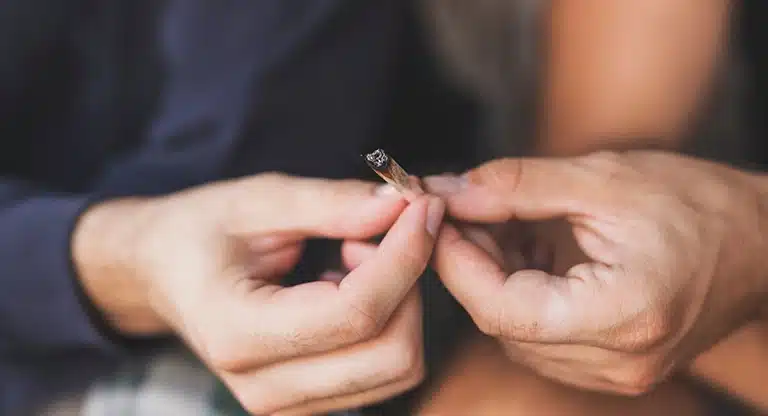
Age at initiation, current life stage, and duration of use significantly influence how heavy cannabis consumption affects brain development, physical health, and psychosocial functioning. The developing brain shows particular vulnerability during adolescence and young adulthood, while older adults face different risks related to medication interactions and age-related health changes.
Adolescents (ages 12-17) face the highest risk from heavy marijuana use due to active brain development. During these years, neural connections strengthen and prune, establishing patterns that influence lifelong cognitive abilities. Heavy cannabis use disrupts these processes, potentially leading to:
- Persistent attention and memory deficits lasting into adulthood
• Reduced academic performance and lower high school graduation rates
• Increased risk of developing anxiety disorders and depression
• Higher likelihood of progressing to cannabis use disorder
• Compromised decision-making abilities affecting safety and judgment
Young adults (ages 18-25) continue experiencing brain maturation, particularly in areas governing executive function and impulse control. Heavy use during college years correlates with reduced academic achievement, increased dropout rates, and difficulties establishing career paths. Mental health disorders often emerge during this period, with heavy cannabis use potentially triggering or exacerbating conditions like anxiety, depression, and psychotic disorders in vulnerable individuals.
Adults in their 30s-50s may experience accumulating effects from years of daily use, including:
- Gradual cognitive decline affecting work performance and family responsibilities
• Chronic respiratory symptoms from long-term smoking
• Relationship conflicts and social isolation
• Financial strain from sustained cannabis expenditures
• Motivational deficits impacting career advancement and personal goals
Older adults (60+) face unique risks including dangerous interactions with prescription medications, increased fall risk due to dizziness or impaired coordination, and memory problems that may compound normal age-related cognitive changes. Cannabis use can interfere with medications for heart conditions, diabetes, and mental health disorders, potentially creating serious health complications.
The cumulative nature of heavy use means that individuals who began using heavily in adolescence and continued through multiple life stages often experience the most severe long-term consequences across cognitive, mental health, and social domains.
Pregnancy, breastfeeding, and heavy marijuana use
THC and other cannabinoids readily cross the placental barrier and concentrate in breast milk, directly exposing developing fetuses and nursing infants to cannabis compounds. Heavy maternal use creates sustained exposure that may affect critical periods of fetal brain development and early infancy.
Research consistently links frequent marijuana use during pregnancy with increased risks of low birth weight, premature delivery, and potential long-term developmental concerns. Prenatal cannabis exposure correlates with attention problems, memory difficulties, and behavioral issues that may persist through childhood and adolescence.
THC storage in body fat means that heavy chronic users maintain detectable levels for weeks after last use, creating prolonged fetal exposure even when not using daily during pregnancy. This biological reality makes early cessation particularly important for women planning pregnancy or discovering they’re pregnant while using heavily.
Breastfeeding while using marijuana poses additional risks, as THC concentrates in breast milk at levels higher than maternal blood levels. Nursing infants exposed through breast milk may experience sedation, poor feeding, and altered sleep patterns that can affect normal developmental milestones.
Specific concerns include:
- Potential interference with fetal brain development during critical growth periods
• Increased risk of pregnancy complications, including preterm birth
• Long-term behavioral and cognitive effects in exposed children
• Impaired maternal-infant bonding due to cannabis intoxication
• Unknown effects of high-potency modern products compared to historical research
Pregnant or breastfeeding individuals using marijuana heavily should consult their obstetrician, midwife, or pediatrician immediately to develop safer alternatives. Many experience anxiety, nausea, or insomnia that initially motivated cannabis use, but numerous safer treatment options exist for these conditions during pregnancy.
Specialized treatment programs understand the complex needs of pregnant women struggling with substance use. Facilities like Topsail offer comprehensive support that addresses both addiction treatment and the unique medical and psychological needs of expectant or new mothers, providing nonjudgmental care focused on healthy outcomes for both mother and child.
Treatment during pregnancy often emphasizes gradual reduction rather than abrupt cessation, medical monitoring for withdrawal symptoms, and alternative strategies for managing underlying conditions that may have driven initial cannabis use.
Potential therapeutic uses vs. risks of heavy marijuana use
Legitimate medical applications of cannabis-derived compounds exist within regulated frameworks, but these differ substantially from heavy recreational use or unsupervised medical consumption. Understanding this distinction helps clarify when cannabis might offer therapeutic benefits versus when it poses significant health risks.
FDA-approved medications like Epidiolex (purified cannabidiol for certain seizure disorders) and synthetic cannabinoids like dronabinol (for chemotherapy-related nausea and AIDS-related weight loss) provide specific therapeutic effects with standardized dosing and medical supervision. These medications treat nausea and other specific conditions through targeted cannabinoid activity without the intoxicating effects and addiction risks of high-THC products.
State medical marijuana programs allow qualified patients to access cannabis products for symptom management under physician guidance. Conditions commonly approved include chronic pain, epilepsy, cancer-related symptoms, and certain mental health disorders. However, even within medical programs, heavy unsupervised use can still lead to cannabis dependence and the same health risks associated with recreational heavy use.
The therapeutic window—the difference between beneficial and harmful doses—remains narrow for most cannabis applications. Medical users often start with low doses and specific CBD-to-THC ratios, but tolerance development can drive escalating consumption that blurs the line between medical therapy and recreational use.
Key differences between therapeutic and problematic use:
- Medical supervision and regular monitoring versus self-medication
• Specific dosing protocols versus unlimited consumption
• Targeted symptom relief versus general intoxication seeking
• Periodic reassessment and adjustment versus daily habitual use
• Integration with other treatments versus cannabis as sole intervention
Many medical marijuana patients eventually develop patterns indistinguishable from recreational heavy use, using throughout the day, consuming high-THC products, and experiencing significant impairment in daily functioning. This progression often occurs gradually, making recognition difficult until dependence has developed.
Individuals using cannabis medically who find themselves unable to function without constant use, consuming much larger quantities than initially prescribed, or experiencing negative consequences in relationships or work should consider evaluation by providers experienced in both medical cannabis applications and substance use disorders.
Facilities like Topsail understand the complex intersection between legitimate medical needs and cannabis dependence. Their approach recognizes that some individuals may benefit from continued, supervised medical marijuana use while addressing problematic consumption patterns and developing healthier coping strategies for underlying conditions.
Alternative treatments for pain, anxiety, insomnia, and other conditions that commonly drive medical marijuana use often prove equally effective with fewer risks of dependence and cognitive impairment.
Treatment options and support for heavy marijuana use
Recovery from heavy marijuana use is achievable with appropriate support, evidence-based treatment approaches, and commitment to change. Many people successfully reduce or eliminate cannabis consumption even after years of daily use, often discovering improved cognitive function, better mental health, and enhanced life satisfaction in the process.
Evidence-based psychological treatments form the foundation of effective cannabis addiction treatment. Cognitive behavioral therapy (CBT) helps individuals identify triggers for use, develop alternative coping strategies, and modify thought patterns that maintain addictive behaviors. Motivational enhancement therapy encourages intrinsic motivation for change by exploring personal values and goals that conflict with continued heavy use.
Contingency management programs provide tangible rewards for verified abstinence, proving particularly effective for cannabis users who struggle with motivation during early recovery. Family-based approaches work especially well for adolescents and young adults, addressing family dynamics that may inadvertently enable continued use while building supportive environments for recovery.
Currently, no FDA-approved medications specifically target cannabis use disorder, but various medications can support recovery by addressing co-occurring conditions. Antidepressants may help with depression and anxiety that often accompany cannabis dependence, while sleep medications can temporarily address insomnia during withdrawal. Some individuals benefit from medications that reduce cravings or ease withdrawal symptoms, though these remain off-label applications.
Treatment intensity should match individual needs and circumstances:
- Outpatient counseling: Weekly individual or group therapy for motivated individuals with stable living situations
• Intensive outpatient programs (IOP): Multiple weekly sessions combining therapy, education, and peer support
• Partial hospitalization: Day-long programs providing intensive treatment while maintaining home residence
• Residential treatment: 24-hour supervised care for individuals with severe dependence or multiple failed quit attempts
Co-occurring mental health disorders require integrated treatment addressing both substance use and underlying psychiatric conditions. Untreated depression, anxiety, trauma, ADHD, or bipolar disorder significantly increases relapse risk and complicates recovery efforts. Comprehensive assessment identifies these conditions early in treatment.
Topsail Addiction Treatment specializes in providing individualized, evidence-based care for people struggling with marijuana and other substance use disorders. Their experienced team understands the complex factors contributing to heavy cannabis use and offers comprehensive treatment that addresses both addiction and co-occurring mental health conditions. Topsail’s approach combines proven therapeutic techniques with practical life skills training and long-term recovery planning, helping clients build sustainable sobriety and reclaim their potential.
Recovery support extends beyond formal treatment. Peer support groups, whether cannabis-specific (like Marijuana Anonymous) or general addiction recovery programs, provide ongoing community and accountability. Family therapy helps rebuild relationships damaged by heavy use while educating loved ones about addiction and recovery processes.
Many people find that addressing lifestyle factors enhances treatment effectiveness. Regular exercise, improved nutrition, stress management techniques, and engaging in meaningful activities help fill time previously devoted to cannabis use while supporting overall mental health and well-being.
The journey from heavy marijuana use to recovery requires patience, support, and often multiple approaches. Individuals experiencing difficulties with work performance, relationships, mental health, or physical symptoms related to cannabis use are encouraged to reach out for confidential consultation. Taking this step represents strength and self-advocacy rather than failure, opening pathways toward improved health and life satisfaction.
Whether through local healthcare providers, specialized programs like Topsail, or other evidence-based treatment options, help is available for anyone ready to explore alternatives to heavy cannabis dependence and build a healthier, more fulfilling future.
Related Posts

Opioid Misuse Signs in Older Adults
Key Takeaways Opioid misuse in adults 65 and older is rising and often mistaken for “normal aging,” leading to delayed diagnosis and preventable harm such

Teen Prescription Drug Misuse: What You Need to Know
Key Takeaways Teen prescription drug misuse involves using medications without a prescription, in higher doses than directed, or for reasons other than prescribed—and nearly 1

Benzo Addiction Explained: The What, Why and How
Key Takeaways Benzodiazepines like Xanax, Klonopin, Ativan, and Valium are among the most widely prescribed prescription drugs in the United States, yet physical and psychological
How Addictive Is Fentanyl?
Key Takeaways Fentanyl is one of the most addictive and dangerous opioids in the current U.S. drug supply, driving the majority of overdose deaths since

Prescription Stimulant Misuse Signs: A Guide
Prescription stimulant misuse has become increasingly common, particularly among college students and young adults seeking academic or work performance enhancement. While these medications serve important

Recovery from Multiple Drug Dependencies
Yes, recovery from multiple drug dependencies is absolutely possible. Every year in the United States, thousands of people successfully overcome long-term addictions to multiple substances—whether