Key Takeaways
- Fentanyl is one of the most addictive and dangerous opioids in the current U.S. drug supply, driving the majority of overdose deaths since around 2015. Its extreme potency—50 to 100 times stronger than morphine—makes even small dosing errors potentially fatal.
- Physical dependence on fentanyl can develop within weeks of regular use, and full opioid use disorder can emerge in a relatively short time, especially when the drug is misused or taken without medical supervision.
- Most fentanyl-related harms now stem from illicitly manufactured fentanyl mixed into heroin, cocaine, methamphetamine, and counterfeit pills, often without the user’s knowledge.
- The brain changes caused by fentanyl—including disrupted dopamine signaling and impaired decision-making circuits—make quitting extremely difficult without professional help and medication-assisted treatment.
- Comprehensive treatment programs, like those offered at Topsail Addiction Treatment in Massachusetts, can help people safely withdraw from fentanyl, address underlying mental health conditions, and build the skills needed for lasting recovery.
What Is Fentanyl and Why Is It So Addictive?
Fentanyl is a synthetic opioid pain medication first developed in the 1960s for use in surgery and the management of severe pain, particularly cancer pain. Today, it exists in both prescription forms—like fentanyl patches, lozenges, and nasal sprays—and in illicitly manufactured versions that have flooded the illegal drug supply across the United States.
What makes fentanyl so addictive comes down to how powerfully it interacts with the brain:
- Fentanyl binds with extraordinary strength to mu-opioid receptors in the brain and spinal cord, blocking pain signals while simultaneously triggering intense euphoria and relaxation.
- This rapid, potent reward signal “teaches” the brain to crave fentanyl, reinforcing repeated use and dramatically increasing the risk of addiction.
- The difference between medical fentanyl (carefully dosed patches and hospital IV infusions) and illicit fentanyl (found in street drugs and counterfeit pills) is critical: street fentanyl has no quality control, making every dose a gamble.
- According to the Centers for Disease Control and Prevention, synthetic opioids like fentanyl are now the leading driver of overdose deaths in the United States, far outpacing heroin and prescription pain relievers.
Understanding why fentanyl is so addictive requires looking at what it does inside the brain—and how quickly those changes can take hold.
How Fentanyl Rewires the Brain
Addiction is widely recognized as a brain disease, and fentanyl accelerates the neurological changes associated with substance use disorder faster than many other opioids due to its extreme potency.
- When fentanyl enters the brain, it floods the reward pathway—particularly the ventral tegmental area and nucleus accumbens—with dopamine. This creates a powerful association between taking fentanyl and experiencing relief or pleasure.
- Over time, the brain reduces its own natural production of endorphins and dopamine. Normal activities that once brought joy—spending time with family, hobbies, even eating a good meal—begin to feel flat or joyless without the drug.
- Repeated fentanyl use impairs decision-making areas of the brain, especially the prefrontal cortex. This leads to compulsive drug-seeking behavior even when a person genuinely wants to stop.
- These brain changes contribute to tolerance (needing higher doses to feel the same effect), physical dependence (the body requires fentanyl to feel “normal”), and the eventual transition from occasional use to full opioid use disorder.
Consider someone who once enjoyed weekend fishing trips with their children. After months of fentanyl use, those trips feel meaningless without the drug. The brain has been rewired to prioritize fentanyl above nearly everything else—a phenomenon that goes far beyond simple willpower.
How Quickly Can Fentanyl Become Addictive?
The timeline from first use to addiction varies, but fentanyl can establish its grip faster than most people expect:
- Physical dependence and early signs of addiction can develop within weeks of regular use, and even faster when fentanyl is misused at higher doses or taken recreationally.
- Physical dependence means the body needs fentanyl to function normally; addiction goes further, involving compulsive use despite serious harm to health, relationships, or finances.
- Patients using fentanyl patches for legitimate severe pain under careful medical supervision can still develop dependence. This requires gradual tapering under a doctor’s guidance but is not the same as the compulsive misuse seen in fentanyl addiction.
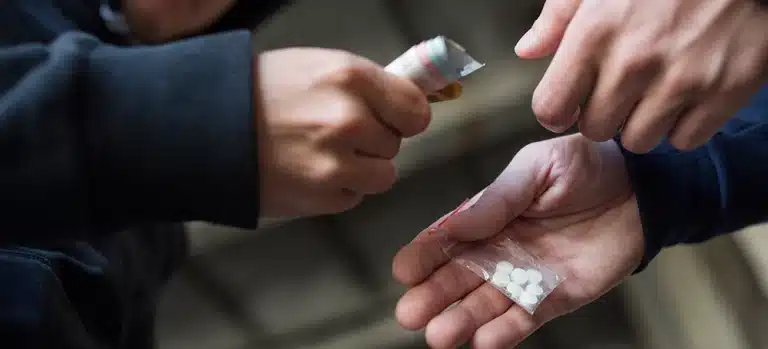
- Illicit fentanyl use—snorting powders, injecting, smoking, or taking counterfeit pills—involves wildly unpredictable doses. This inconsistency can intensify cravings and speed up the development of opioid use disorder.
- Specific risk scenarios include:
- Transitioning from prescription opioids like oxycodone to illicit fentanyl after tolerance builds and prescriptions become harder to obtain.
- Teens or young adults taking a single pill at a party that secretly contains fentanyl, then seeking out that same intense high again.
The speed at which fentanyl can take hold is one of the most dangerous aspects of this drug.
Signs and Symptoms of Fentanyl Addiction
Fentanyl addiction can be difficult to recognize at first, especially for family members who may not know what to look for. However, certain physical, behavioral, and psychological signs tend to cluster together as the disorder progresses.
Physical signs:
- Pinpoint pupils, even in dim lighting
- Extreme drowsiness or “nodding off” at inappropriate times
- Slowed or shallow breathing
- Unexplained weight loss
- Chronic constipation
- Frequent flu-like symptoms between doses
Behavioral signs:
- Visiting multiple doctors to obtain prescriptions (“doctor shopping”)
- Running out of prescribed medicine early
- Missing work, school, or important obligations
- Secretive behavior, lying about whereabouts
- Unexplained financial problems or missing money
Psychological signs:
- Intense cravings that dominate thinking
- Anxiety or irritability when the next dose is delayed
- Depression or mood swings
- Feeling unable to function or cope without fentanyl
When withdrawal symptoms—muscle aches, sweating, runny nose, stomach cramps, diarrhea, and insomnia—appear within hours of the last dose, this is strong evidence of physical dependence.
Families in coastal communities like those served by Topsail Addiction Treatment often notice mood changes, social isolation, or sudden shifts in friend groups before they recognize a fentanyl problem directly.
Want to Learn More about Fentanyl Addiction?
Our addiction recovery team is here 24/7 to answer your questions or to get you help.
Why Fentanyl Is More Addictive and Dangerous Than Many Other Opioids
Fentanyl’s extreme potency sets it apart from other opioids and makes it exceptionally dangerous:
Opioid | Approximate Potency Relative to Morphine |
Morphine | 1x (baseline) |
Oxycodone | ~1.5x |
Heroin | ~2–4x |
Fentanyl | ~50–100x |
Carfentanil | ~10,000x |
- Because fentanyl crosses the blood-brain barrier so quickly, it can create a very fast, intense high. This rapid onset is strongly correlated with higher reinforcement and habit-forming potential.
- Tolerance to fentanyl escalates rapidly. Users often find themselves taking higher doses just to feel “normal,” which dramatically increases overdose risk.
- Illicit fentanyl is frequently mixed into heroin, cocaine, methamphetamine, and counterfeit pills—often without the user’s knowledge. Someone using cocaine or buying what they believe is oxycodone may become dependent on fentanyl without ever realizing it.
- Even individuals with a high tolerance to other opioids are not fully protected. The margin between a dose that produces a high and a dose that causes fatal respiratory depression is dangerously thin.
- Fentanyl analogues like carfentanil are even more potent and sometimes present in street supplies, further complicating both addiction and overdose risk.
This combination of extreme potency, rapid action, and unpredictable street supply makes fentanyl one of the most dangerous substances in circulation today.
How Fentanyl Addiction Develops: From Use to Opioid Use Disorder
Fentanyl addiction typically follows a progression, though the speed can vary dramatically depending on the individual and how the drug is used:
- Experimentation or prescribed use: A person may first encounter fentanyl through a legitimate prescription for severe pain (such as after surgery or for cancer pain) or through recreational exposure.
- Regular use: Whether prescribed or obtained illegally, regular use establishes a pattern. The brain begins adapting to the presence of fentanyl.
- Dependence: The body now requires fentanyl to feel normal. Stopping or reducing the dose triggers uncomfortable withdrawal symptoms.
- Opioid use disorder: At this stage, use becomes compulsive. People continue taking fentanyl despite overdoses, legal problems, damaged relationships, or job loss.
Key risk factors that speed this progression include:
- History of mental disorders such as depression, anxiety, or PTSD
- Trauma, especially during childhood
- Family history of addiction
- Chronic pain conditions that led to long-term opioid use
The Diagnostic and Statistical Manual of Mental Disorders outlines specific criteria for diagnosing opioid use disorder, including failed attempts to cut down, spending significant time obtaining or recovering from the drug, and continued use despite knowing it causes problems.
Health Consequences of Fentanyl Addiction
Fentanyl addiction affects nearly every system in the body and dramatically increases the likelihood of overdose and death.
Acute dangers:
- Slowed or stopped breathing (respiratory depression)
- Unconsciousness and unresponsiveness
- Hypoxia (dangerously low oxygen levels) leading to brain injury
- Death from a single high dose or contaminated pill
Long-term physical effects:
- Chronic constipation and gastrointestinal problems
- Hormonal changes affecting libido and fertility
- Opioid-induced hyperalgesia (increased sensitivity to pain)
- Weakened immune system and increased infection risk
Risks specific to injecting fentanyl:
- HIV and hepatitis C transmission
- Serious skin and soft-tissue infections
- Endocarditis (heart valve infection)
Mental health impacts:
- Worsening depression and anxiety
- Memory and concentration problems
- Increased risk of suicidal thoughts or behaviors
Broader life consequences:
- Relationship breakdown and family estrangement
- Job loss and financial ruin
- Legal problems, including incarceration
- Loss of housing and homelessness
In communities where illicit fentanyl has saturated the drug supply, these consequences have become tragically common.
Safe Medical Use vs. Illicit Use: Is Any Fentanyl Use “Safe”?
Fentanyl can be used safely in tightly controlled medical settings, but the distinction between medical and illicit use is critical:
Medical fentanyl:
- Administered in hospitals for anesthesia during surgery
- Prescribed as transdermal patches, lozenges, or nasal sprays for patients with severe pain who are already opioid-tolerant
- Dosed precisely and monitored closely by healthcare providers
- Should be used for the shortest duration possible to minimize dependence risk
Illicit fentanyl:
- Manufactured in clandestine labs with no quality control
- Sold as powders, pressed into pills, or mixed into heroin, cocaine, or methamphetamine
- Purity and strength are completely unknown, making every use a potential overdose
- Counterfeit pills sold as oxycodone, Percocet, or Xanax frequently contain lethal doses of fentanyl
No amount of street fentanyl can be considered safe. Even experienced opioid users can misjudge a dose and suffer fatal overdose effects.
For those with legitimate prescriptions, safe storage and disposal are essential:
- Keep fentanyl patches and other forms locked away from children and visitors
- Fold used patches sticky-side together and dispose of them through drug take-back programs
- Never share prescribed fentanyl with anyone else
Can You Quit Fentanyl on Your Own? Withdrawal and Relapse Risks
Stopping fentanyl suddenly after weeks or months of regular use triggers intense withdrawal symptoms and a dangerously high risk of relapse.
Typical withdrawal symptoms include:
- Severe muscle and bone pain
- Intense anxiety and restlessness
- Insomnia lasting days or longer
- Nausea, vomiting, and diarrhea
- Sweating, chills, and goosebumps
- Overwhelming cravings for fentanyl
While fentanyl withdrawal is rarely life-threatening on its own, complications like severe dehydration, heart strain, and worsening of co-occurring health conditions can make unsupervised withdrawal medically risky.
The relapse rate during or shortly after withdrawal is extremely high. Research from Texas A&M has shown that fentanyl enhances activity in brain circuits that amplify negative emotional states during early withdrawal—making the experience feel uniquely unbearable and driving people back to use.
What makes relapse especially dangerous is tolerance loss: after even a short period of abstinence, returning to a previous dose can easily cause an overdose.
Medically supervised detox, ideally with medications for opioid use disorder such as buprenorphine or methadone, can greatly reduce suffering and improve the odds of long-term recovery. Centers like Topsail Addiction Treatment provide structured detox and ongoing treatment in a supportive environment, helping clients manage withdrawal safely and build relapse-prevention skills.

Treatment Options for Fentanyl Addiction
Fentanyl addiction is treatable, and many people do recover with the right combination of medical care, therapy, and ongoing support.
Medications for opioid use disorder (MOUD):
Medication | How It Works | Setting |
Buprenorphine | Partial opioid agonist; reduces cravings and withdrawal | Office-based prescribing |
Methadone | Full opioid agonist; stabilizes brain chemistry | Specialized opioid treatment programs |
Naltrexone | Opioid blocker; prevents euphoria if opioids are used | After detox is complete |
Evidence-based behavioral therapies:
- Cognitive-behavioral therapy (CBT) helps identify triggers and change thinking patterns
- Motivational interviewing builds internal motivation for change
- Trauma-focused approaches address underlying PTSD or adverse childhood experiences
Levels of care:
- Inpatient detox: 24/7 medical monitoring during acute withdrawal
- Residential treatment: Structured living with intensive therapy
- Partial hospitalization programs (PHP): Full-day treatment while living at home or in sober housing
- Intensive outpatient programs (IOP): Several hours of treatment per week
- Standard outpatient therapy: Ongoing support after completing more intensive levels
The right level of care depends on addiction severity, co-occurring mental health conditions, and available support systems.
Addressing co-occurring disorders like depression, anxiety, bipolar disorder, or PTSD in an integrated treatment plan is essential for lasting recovery. Facilities like Topsail Addiction Treatment offer a continuum of care tailored specifically to people struggling with fentanyl and other opioid addictions, combining medical support, therapy, family involvement, and relapse prevention planning.
Harm Reduction and Overdose Prevention
Harm reduction aims to keep people alive and as healthy as possible, even if they are not yet ready to stop taking fentanyl completely.
Naloxone (Narcan):
- An emergency medicine that can rapidly reverse opioid overdose, including those caused by fentanyl
- Available as nasal sprays or injectable kits
- Should be carried by anyone using opioids or living with someone who does
- Most pharmacies now dispense naloxone without a prescription in many states
Fentanyl test strips:
- Small strips that can detect fentanyl in drug samples before use
- Particularly valuable for people using cocaine, methamphetamine, or counterfeit pills who may not know their supply is contaminated
- Availability and legality vary by state; many harm reduction organizations distribute them for free
Other harm reduction strategies:
- Never use alone; have someone present who can call for help or administer naloxone
- Start with a very small amount to test potency before taking a full dose
- Avoid mixing fentanyl with alcohol, benzodiazepines, or other depressants (this combination dramatically increases overdose risk)
- Use clean supplies to reduce infection risk
For people not yet ready for treatment, building a relationship with a compassionate provider or facility like Topsail can make it easier to seek help when they are ready to change.
When and How to Seek Help for Fentanyl Addiction
Seeking help is a sign of strength, not failure. Early intervention can prevent overdoses, protect long-term health, and save lives.
Signs it’s time to reach out:
- Unsuccessful attempts to quit or cut back
- Using more fentanyl than intended
- Experiencing withdrawal symptoms between doses
- Continuing to use despite serious consequences like health problems, legal issues, or relationship damage
Practical steps to take:
- Talk to a primary care doctor or call a local addiction medicine specialist
- Contact a treatment center directly for a confidential assessment
- Call SAMHSA’s National Helpline (1-800-662-4357) for free, confidential guidance and referrals 24/7
For family members:
- Approach your loved one with empathy, focusing on concern for their safety and health rather than blame or shame
- Learn about fentanyl addiction so you can understand what they’re experiencing
- Consider family therapy or support groups like Nar-Anon
Facilities like Topsail Addiction Treatment can perform professional assessments, recommend the appropriate level of care, and provide both in-person and, where appropriate, virtual options for follow-up support.
There is no need to “hit rock bottom” before getting help. Acting sooner gives the brain and body the best chance to heal.
FAQ: Fentanyl Addiction
Can someone become addicted to fentanyl after using it only a few times?
Yes, some people—especially those with certain risk factors like family history of addiction, co-occurring mental health conditions, or prior substance use—may develop strong cravings and compulsive use patterns after only a handful of exposures. The intensity of fentanyl’s effects can imprint a powerful reward memory very quickly. While the timeline varies, any non-medical use of fentanyl carries a high risk of addiction and overdose.
Is medical fentanyl safer than street fentanyl?
Medically prescribed fentanyl is significantly safer because the dose and purity are controlled and monitored by a healthcare provider. However, it can still cause dependence and addiction if misused, taken longer than necessary, or used in ways other than prescribed. Street fentanyl is far more dangerous due to unknown strength, contamination with other substances, and the complete absence of quality control.
Does having a high tolerance to pain pills protect me from fentanyl overdose?
Tolerance to other opioids provides some cross-tolerance, but it does not guarantee safety. Fentanyl’s extreme potency means that even experienced opioid users can overdose from a relatively small amount, especially when the drug is obtained from illegal sources where potency varies wildly from dose to dose.
Can I just switch from fentanyl to another opioid to avoid withdrawal?
Switching opioids without medical guidance can be risky and may not prevent withdrawal or cravings. In many cases, people end up in a more complicated situation. Medically supervised treatment with appropriate medications like buprenorphine or methadone is the safest and most effective way to transition off fentanyl while minimizing withdrawal and reducing relapse risk.
How can a treatment center like Topsail help my family member who is addicted to fentanyl?
A specialized treatment center provides medical detox to manage withdrawal safely, evidence-based therapies to address the psychological aspects of addiction, family education to help loved ones understand and support recovery, and comprehensive relapse prevention planning. Topsail Addiction Treatment offers this integrated approach, helping both the individual struggling with addiction and their family navigate the recovery process together.
Related Posts

Opioid Misuse Signs in Older Adults
Key Takeaways Opioid misuse in adults 65 and older is rising and often mistaken for “normal aging,” leading to delayed diagnosis and preventable harm such

Teen Prescription Drug Misuse: What You Need to Know
Key Takeaways Teen prescription drug misuse involves using medications without a prescription, in higher doses than directed, or for reasons other than prescribed—and nearly 1

Benzo Addiction Explained: The What, Why and How
Key Takeaways Benzodiazepines like Xanax, Klonopin, Ativan, and Valium are among the most widely prescribed prescription drugs in the United States, yet physical and psychological

Prescription Stimulant Misuse Signs: A Guide
Prescription stimulant misuse has become increasingly common, particularly among college students and young adults seeking academic or work performance enhancement. While these medications serve important

Recovery from Multiple Drug Dependencies
Yes, recovery from multiple drug dependencies is absolutely possible. Every year in the United States, thousands of people successfully overcome long-term addictions to multiple substances—whether

Functional Alcoholism Signs: How to Spot a Hidden Drinking Problem
Functional alcoholism represents one of the most challenging forms of alcohol addiction to recognize and address. Unlike the stereotypical image of someone whose life has