Is marijuana vaping a harmless habit or a pathway to addiction? As vaping’s popularity skyrockets among young audiences, concerns about addiction and health risks grow. This article cuts through the haze, showing you the real dangers of marijuana vaping addiction and guiding you through its signs and treatment options. Stay informed and steer clear of the risks with our expert insights.
Key Takeaways
- The prevalence of cannabis vaping among adolescents and young adults has significantly increased, particularly in regions where recreational cannabis is legal; users often view it as safer and more discreet than traditional smoking.
- Vaping cannabis can expose users to serious health risks, including rapid-onset cough, breathing troubles, nausea, lung damage, and exposure to toxic substances such as Vitamin E acetate and heavy metals.
- Marijuana use disorder is a significant risk for cannabis users, especially those who start during adolescence, with signs including inability to control use, cravings, and withdrawal symptoms, despite the existence of treatment options and support.
Exploring the Rise of Marijuana Vaping Among Young Adults
Cannabis vaping has surged significantly in recent years. Among adolescents in the USA and Canada, cannabis vaping increased two- to seven-fold from 2013 to 2020. More alarmingly, over a fifth of high school seniors reported vaping marijuana in the past year, underlining its popularity in this age group.
Interestingly, the rise in cannabis vaping is not uniform across the board. It’s significantly higher in states where recreational cannabis has been legalized. The state-level regulatory policy plays a critical role in the prevalence among youth and young adults.
Furthermore, people’s preference for cannabis products has shifted. More than half of cannabis users now prefer cannabis oils for vaping over traditional smoking.
The Allure of Vape Marijuana
You might wonder why there is a switch to vaping marijuana? Well, young adults perceive vaping cannabis as safer than smoking. It’s seen as less physically irritating and provides better dosage control. Beyond the perceived health benefits, vaping marijuana also serves various recreational and social purposes. Many young adults use it for relaxation, stress relief, sleep improvement, and mood enhancement. Not to mention the influence of peer pressure, which plays a significant role in its usage.
But the appeal of vaping cannabis goes beyond this. The discretion it offers, coupled with the ability to vape without violating smoking bans, has made it a popular choice. Users can maintain a sustained high without drawing unwanted attention. But as they say, all that glitters is not gold. What do confiscated samples of marijuana tell us about the risks?
Confiscated Marijuana Samples: What They Tell Us
An alarming trend emerges from the analysis of confiscated marijuana samples. In 2018, the average THC content in these samples was over 15%. This might not sound concerning, but when you consider that THC concentrations in marijuana have been on the rise over the decades, it paints a different picture.
The increased THC concentrations could potentially heighten the risk of developing marijuana use disorder. As we delve deeper into the health risks of vaping cannabis, this becomes even more apparent.
Want to Learn More about Marijuana Addiction?
Our addiction recovery team is here 24/7 to answer your questions or to get you help.
Unmasking the Health Risks of Vaping Cannabis
Contrary to what it may seem, vaping cannabis isn’t harmless. High-potency forms expose users to a myriad of health risks. Acute symptoms can include:
- rapid-onset cough
- breathing troubles
- nausea
- weight loss
In the long run, it can lead to more severe health issues, including lung damage, serious lung injury, and lung disease.
Additionally, toxic and carcinogenic substances in vaping products present further risks. These include heavy metals, Vitamin E acetate, and THC. The lack of regulation affecting the safety and chemical profile of these products only serves to exacerbate these risks.
The Role of Vitamin E Acetate in Lung Damage
Vitamin E acetate is one culprit behind the lung injuries associated with vaping. This additive, found in illicit THC-containing vape products, has been linked to an outbreak of a vaping-related lung illness named EVALI (electronic-cigarette, or vaping, product use-associated lung injury).
When inhaled, Vitamin E acetate can disrupt the pulmonary surfactant layer in the lungs, potentially leading to conditions such as lipoid pneumonia. High vaping temperatures may also cause the pyrolysis of Vitamin E acetate, producing ketene, a highly toxic gas. In severe cases, this can result in:
- lung damage
- respiratory distress
- acute respiratory distress syndrome (ARDS)
- lipoid pneumonia
- death
Heavy Metals & Chemical Exposure
Vitamin E acetate isn’t the only health risk of vaping cannabis. The devices themselves can contribute to the problem. The heating process of the coils in vaping devices can cause the breakdown of metals. These metals then leech into the liquid, which users subsequently inhale.
The potential of inhaling these harmful chemicals, which may be present in the cannabis plant, adds another layer to the health risks associated with vaping cannabis.
Deciphering Marijuana Use Disorder
Moving away from the health risks, we will focus on marijuana use disorder and alcohol abuse. Approximately three in ten people who use marijuana may develop marijuana use disorder. The risk is even more significant for individuals who start using marijuana during adolescence. They are four to seven times more likely to develop marijuana use disorder than adults.
Signs of marijuana use disorder can include:
- an inability to stop usage despite health and social issues
- consuming more than intended
- cravings
- experiencing withdrawal symptoms when trying to quit
But what do these withdrawal symptoms look like?
Withdrawal Symptoms from THC Oil
Ceasing the use of THC oil can trigger the onset of withdrawal symptoms, a part of marijuana use disorder. These symptoms can range from mild to severe depending on the individual’s history of use and can include both physical and psychological issues.
Given the challenges of withdrawal, research is being conducted to find medications that could ease these symptoms. Potential options include:
- Zolpidem
- Buspirone
- Gabapentin
- N-acetylcysteine
- FAAH inhibitors
These medications are being studied for their potential to alleviate sleep-related issues and inhibit the breakdown of the body’s own cannabinoids.
The Intersection of Marijuana Vaping and Other Substance Use
Marijuana vaping risks and consequences don’t operate in isolation. Cannabis vapers are more likely to use other substances, including alcohol, tobacco, and e cigarettes. This is particularly concerning for younger cannabis vapers, especially adolescents and young adults, who are at an increased risk of using multiple substances.
Furthermore, the association between cannabis vaping and other substance use varies across different age groups, implying the influence of age-related factors. Cannabis vaping has also been linked to the misuse of prescription drugs and the use of illicit drugs.
Recognizing Addiction in Family Members
Recognizing substance use disorder in loved ones can be challenging. But certain behavioral changes can be warning signs. If someone is vaping marijuana, you may notice signs such as:
- Bloodshot eyes
- Dry mouth
- Increased appetite
- Changes in behavior and mood
These signs may indicate that the person is using marijuana and may be struggling with drug abuse or substance use disorder.
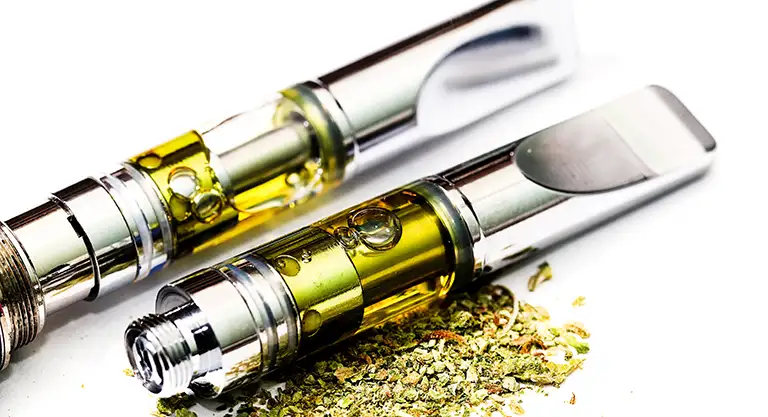
Identifying signs of marijuana vaping can also be a challenge. Vaping devices can come in various shapes and may either be pre-filled or refillable. They can resemble everyday items like flash drives, making them easy to overlook.
Treatment Options for Cannabis Use Disorder
Even though marijuana vaping and its associated addiction present challenges, assistance is available for those grappling with cannabis use disorder. Various treatment options exist, from behavioral treatments to intensive outpatient programs.
Currently, there are no FDA-approved medications for treating cannabis use disorder, making appropriate psychotherapeutic interventions crucial. We’ll examine the various treatment programs available.
Full Day and Half Day Programs Explained
Full Day programs, also known as Partial Hospitalization Programs (PHP), are intensive outpatient services offered by mental health services administration. They typically involve several hours of treatment each day, for five to seven days a week, with a minimum of 20 hours of programming.
On the other hand, Half Day programs, or Intensive Outpatient Programs (IOP), consist of treatment sessions lasting a few hours per day, occurring three to five days a week, and require a minimum of 9 hours of weekly attendance. These programs are suitable for patients who can maintain their regular activities and do not need full-time supervision for their recovery.
Support Groups and Family Therapy
In addition to structured programs, support groups and family therapy are crucial in substance abuse recovery. They provide a network of support and structured therapy to help maintain sobriety.
Family therapy sessions in substance use treatment programs offer an environment where family members can enhance communication skills, resolve past issues, and learn to set healthy boundaries. These approaches are fundamental in strengthening family connections and promoting recovery from marijuana vaping addiction.
Navigating Recovery with Topsail
At Topsail, a rehabilitation facility specializing in treating marijuana vaping addiction, we are well-versed in the unique challenges recovery presents. Our state-of-the-art facilities are strategically located in North Andover, Massachusetts, providing an accessible location for recovery.
Our team of experienced professionals facilitates a personalized recovery journey, ensuring that each individual’s path to recovery is carefully tailored to their needs. We strive to provide comprehensive, compassionate, and evidence-based care to help you navigate the journey to recovery.
Marijuana vaping, while popular, carries significant health risks and can lead to addiction. It’s crucial to recognize the signs of addiction in those around us and seek help when needed. A variety of treatment options exist, including full and half-day programs, support groups, and family therapy. At Topsail, we’re committed to providing personalized treatment plans to navigate recovery, helping you or your loved ones reclaim your lives from addiction.
Frequently Asked Questions
What is the prevalence of marijuana vaping among young adults?
The prevalence of cannabis vaping has increased significantly, particularly among adolescents and young adults, with a two- to seven-fold increase from 2013 to 2020 in the USA and Canada. This indicates a concerning trend in marijuana vaping among young adults.
What are the health risks associated with marijuana vaping?
The health risks associated with marijuana vaping include acute symptoms like rapid-onset cough, breathing troubles, and nausea, as well as long-term issues such as lung damage and serious injury, along with exposure to toxic and carcinogenic substances (CDC, 2021).
What is marijuana use disorder?
Marijuana use disorder is a condition where individuals struggle to stop using marijuana despite experiencing health and social issues. It can involve consuming more than intended, experiencing cravings, and withdrawal symptoms when attempting to stop.
What are the treatment options for cannabis use disorder?
The treatment options for cannabis use disorder include behavioral treatments like cognitive-behavioral therapy, contingency management, and motivational enhancement therapy, as well as programs like Partial Hospitalization Programs for intensive outpatient services. These options support stable transitions from detox to recovery.
What services does Topsail provide for those struggling with marijuana vaping addiction?
Topsail provides full and half-day programs, support groups, and family therapy to help individuals struggling with marijuana vaping addiction. These services are personalized to meet the specific needs of each individual.
Related Posts

Opioid Misuse Signs in Older Adults
Key Takeaways Opioid misuse in adults 65 and older is rising and often mistaken for “normal aging,” leading to delayed diagnosis and preventable harm such

Teen Prescription Drug Misuse: What You Need to Know
Key Takeaways Teen prescription drug misuse involves using medications without a prescription, in higher doses than directed, or for reasons other than prescribed—and nearly 1

Benzo Addiction Explained: The What, Why and How
Key Takeaways Benzodiazepines like Xanax, Klonopin, Ativan, and Valium are among the most widely prescribed prescription drugs in the United States, yet physical and psychological
How Addictive Is Fentanyl?
Key Takeaways Fentanyl is one of the most addictive and dangerous opioids in the current U.S. drug supply, driving the majority of overdose deaths since

Prescription Stimulant Misuse Signs: A Guide
Prescription stimulant misuse has become increasingly common, particularly among college students and young adults seeking academic or work performance enhancement. While these medications serve important

Recovery from Multiple Drug Dependencies
Yes, recovery from multiple drug dependencies is absolutely possible. Every year in the United States, thousands of people successfully overcome long-term addictions to multiple substances—whether