Key Takeaways
- Teen prescription drug misuse involves using medications without a prescription, in higher doses than directed, or for reasons other than prescribed—and nearly 1 in 8 U.S. teens ages 12–17 have tried prescription medications non-medically at least once.
- The most commonly misused medications include opioid painkillers (oxycodone, hydrocodone), ADHD stimulants (Adderall, Ritalin), and anti-anxiety or sleep medications (Xanax, Valium, Ambien). Mixing any of these with alcohol dramatically raises overdose risk.
- Prescription misuse is not safer than street drugs. These medications can rapidly lead to addiction, worsen mental health conditions, and often co-occur with anxiety, depression, or trauma that requires integrated treatment.
- Early warning signs deserve calm but prompt attention: changes in mood, declining school performance, disrupted sleep patterns, or shifts in social circles can all signal a problem worth discussing with a pediatrician or mental health professional.
- Specialized treatment centers like Topsail Addiction Treatment in Massachusetts provide age-appropriate care for teens and families affected by prescription drug misuse, combining evidence-based therapy with family involvement.
Overview of Teen Prescription Drug Misuse
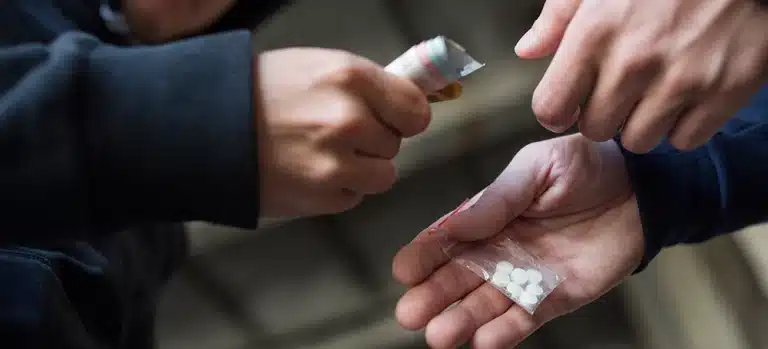
Teen prescription drug misuse means using a prescribed medication without a valid prescription, taking higher doses than directed, using it more frequently than instructed, or taking it for reasons other than its intended medical purpose—such as to get high, to focus during exams, or to fall asleep faster.
Recent U.S. survey data paint a clear picture of the scope. According to the National Institute on Drug Abuse’s Monitoring the Future survey, approximately 5% of 12th graders reported misusing any prescription drug in the past year. Among younger students, about 3.2% of 8th graders and 3.1% of 10th graders reported past-year misuse of prescription opioids specifically. The National Survey on Drug Use and Health shows that while overall rates have declined from pandemic peaks, millions of adolescents still experiment with these medications each year.
Misuse often starts in middle school or high school, sometimes with a legitimate prescription for pain, anxiety, or ADHD that gradually gets used differently than intended. Other times, teens obtain pills from friends, family medicine cabinets, or social gatherings where sharing medications seems normal.
Many teens believe prescription medications are safer than illicit drugs because they come from pharmacies and doctors. This misconception is dangerous. Taking high doses, combining drugs, or using without medical supervision carries the same overdose and addiction risks as street substances—and in today’s drug supply, even pills that look legitimate may contain deadly fentanyl.
The adolescent brain adds another layer of vulnerability. The prefrontal cortex, responsible for impulse control and decision-making, continues maturing into the mid-20s. This developmental reality makes teens more prone to risk-taking behaviors and stronger reinforcement from drug effects. When young people misuse prescription drugs during this critical window, they face increased chances of long-term addiction and lasting changes to brain function.
Early recognition and supportive intervention can reverse this trajectory before misuse becomes a chronic substance use disorder. Families, schools, and healthcare providers who work together to identify problems and connect teens with appropriate help can make a profound difference in outcomes.
Common Prescription Drugs Misused by Teens
Although dozens of medications can be misused, three categories account for most teen prescription drug problems: opioids, stimulants, and central nervous system depressants. Understanding each category helps parents and caregivers recognize the specific dangers their teens may encounter.
Opioid Painkillers
Prescription opioids like oxycodone (brand names include OxyContin and Percocet), hydrocodone (Vicodin, Norco), codeine, and tramadol are prescribed for pain relief but carry significant misuse potential. Teens may use them for pain after injuries, to experience euphoria, or to emotionally numb out from stress and trauma.
These painkillers work by binding to opioid receptors in the brain, reducing pain perception while producing feelings of relaxation and pleasure. However, they also suppress the respiratory system. At high doses or when combined with other substances, this respiratory depression can be fatal. The risk intensifies dramatically in the current era, where counterfeit pills containing illicit fentanyl have entered the market—a single fake OxyContin tablet can contain a lethal dose.
ADHD Stimulants
Stimulant medications prescribed for ADHD, including amphetamine formulations (Adderall, Vyvanse) and methylphenidate products (Ritalin, Concerta), are among the most commonly abused prescription drugs on high school and college campuses. Teens misuse them as study drugs to stay up late cramming for exams, to lose weight by suppressing appetite, or simply to experience a rush of energy and focus.
When taken as prescribed for diagnosed ADHD, these medications help regulate attention and impulse control. But nonmedical use—especially at higher doses, by snorting crushed pills, or by those without ADHD—can trigger dangerous cardiovascular effects, severe anxiety, insomnia, and in extreme cases, psychosis. The pattern of use often creates a cycle: stimulants to stay awake, then sedatives or alcohol to come down.
Benzodiazepines and Sleep Aids
Anti-anxiety medications like Xanax (alprazolam), Valium (diazepam), Ativan (lorazepam), and Klonopin (clonazepam), along with sleep medications like Ambien (zolpidem) and Lunesta, fall into the CNS depressant category. Teens may misuse these sedatives to calm anxiety, reduce social inhibitions, or counteract the jittery effects of stimulants.
These medications enhance the brain’s primary inhibitory neurotransmitter (GABA), producing calm and drowsiness. The danger multiplies when mixed with alcohol or opioids—a combination that can cause fatal respiratory depression even at doses that would be survivable alone. Withdrawal from benzodiazepines after heavy use can also be medically dangerous, potentially causing seizures.
Other Misused Medications
Beyond these major categories, teens sometimes misuse gabapentin, muscle relaxants like carisoprodol (Soma), and prescription cough syrups containing codeine or dextromethorphan. These substances can impair coordination and judgment, contributing to accidents and risky behaviors.
Drug Category | Common Brand Names | Why Teens Misuse | Main Health Risks |
Opioid Painkillers | OxyContin, Vicodin, Percocet, Norco | Pain relief, euphoria, emotional numbing | Overdose, respiratory depression, addiction |
Stimulants | Adderall, Ritalin, Vyvanse, Concerta | Academic performance, weight loss, energy | Heart problems, anxiety, psychosis, insomnia |
Benzodiazepines | Xanax, Valium, Ativan, Klonopin | Reduce anxiety, relax, counter stimulant effects | Respiratory depression (especially with alcohol), dependence, seizures during withdrawal |
Sleep Medications | Ambien, Lunesta | Insomnia, relaxation | Memory problems, falls, dangerous sedation |
Other (gabapentin, muscle relaxants, cough syrups) | Neurontin, Soma, various codeine formulations | Dissociation, sedation, perceived safety | Impaired coordination, judgment, overdose |
Why Teens Misuse Prescription Drugs
Teen prescription misuse rarely has a single cause. Instead, it grows from a complex mix of emotional needs, social pressures, academic demands, and family circumstances. Understanding these motivations helps parents respond effectively rather than reactively.
Self-Medication Motives
Many teens begin misusing prescription medicine to address real problems without consistent medical oversight. A student with a sports injury might take a friend’s leftover painkillers instead of seeing a doctor. A teenager with untreated social anxiety might borrow a sibling’s Xanax before a party. Someone struggling with insomnia might take more than their prescribed dose of sleep medication to finally get rest.
This self-medication pattern often masks underlying conditions that need proper treatment—chronic pain, anxiety disorders, depression, or trauma-related distress that would benefit from professional care rather than improvised solutions.
Performance-Related Motives
The pressure to succeed academically drives significant stimulant misuse. High school students facing college admissions stress, competitive AP courses, and packed extracurricular schedules may turn to ADHD medications hoping to improve concentration, pull all-nighters, or gain an edge over peers.
Some student-athletes misuse stimulants believing they enhance performance, while others abuse prescription drugs thinking they can reduce appetite and control weight. These performance-driven patterns create dangerous cycles of dependence and eventual burnout, often worsening the very problems teens hoped to solve.
Social and Emotional Motives
For some young people, prescription drugs offer a quick escape from stress, family conflict, bullying, trauma, or profound loneliness. Pills may seem more acceptable or controlled than alcohol at parties—after all, they come in pharmacy bottles rather than liquor bottles.
The influence of peers, social media, and online communities plays a significant role. Sharing pills, posting pill party content, or glamorizing substances like Xanax or lean (codeine cough syrup mixed with soda) normalizes misuse. When everyone in a social environment uses these substances, individual teens face enormous peer pressure to participate.
Dangerous Misconceptions
Several misconceptions mask the real risk of overdose, legal trouble, and addiction:
- “The doctor gave it to someone, so it must be safe”
- “I’m not injecting anything, so I can’t get addicted”
- “It’s only during exam week—I can stop whenever”
- “Prescription medications aren’t real drugs”
These beliefs ignore the reality that any drug use outside medical supervision carries serious consequences.
Co-occurring mental health conditions—depression, anxiety, PTSD, untreated ADHD—often drive misuse. Teens struggling with these issues may use substances to cope with symptoms that feel overwhelming. That’s why combined treatment addressing both mental health and substance use, like programs offered at integrated facilities such as Topsail, consistently improves outcomes.
Risk Factors for Teen Prescription Drug Misuse
Risk factors are not destiny. Understanding them helps families and professionals identify which teens may need more support and monitoring—not to label young people, but to intervene early when patterns emerge.
Individual-Level Risk Factors
Certain personal characteristics increase vulnerability to prescription drug abuse:
- Early puberty and associated social pressures
- High impulsivity and thrill-seeking tendencies
- History of trauma, abuse, or neglect
- Low self-esteem or negative self-image
- Untreated anxiety, depression, or ADHD
- Academic struggles or learning differences
- Early initiation of any substance use (alcohol, nicotine, cannabis)
Research from the National Institute on Drug Abuse confirms that early substance experimentation predicts later prescription drug misuse and substance use disorders.
Want to Learn More about Teen Prescription Drug Misuse?
Our addiction recovery team is here 24/7 to answer your questions or to get you help.
Family and Home Factors
The home environment significantly shapes risk:
- Inconsistent rules or minimal supervision
- High family conflict or instability
- Parental substance use or family history of addiction
- Unsecured medications in cabinets or drawers
- Lack of regular check-ins about stress, school, and friendships
Studies consistently show that many teens first access misused prescription drugs from family medicine cabinets. Easy access transforms curiosity into experimentation.
School and Peer Factors
The school environment creates its own pressures:
- Intense academic competition and achievement pressure
- Bullying or social isolation
- Friend groups where pills or other substances are normalized
- Schools where medications are traded or shared openly
- Limited access to mental health services or counseling
Community and Online Access
Broader community and digital factors include:
- Communities with high prescribing rates for opioids and stimulants
- Leftover medications from surgeries or dental procedures
- Online pharmacies with minimal safeguards
- Social media channels promoting “pharm parties”
Data point: Multiple surveys indicate that over 50% of teens who misuse prescription medications obtained them from home medicine cabinets or from friends and family members—underscoring access as a primary risk driver.
Protective Factors
Fortunately, many factors reduce risk:
- Strong family bonds and open communication
- Involvement in positive activities (sports, arts, clubs, volunteering)
- Connection to religious or cultural communities that discourage substance use
- Access to school counseling or mental health services
- Clear family expectations about substance use
- Warm, structured parenting with consistent monitoring
Warning Signs and Symptoms in Teens
Signs of prescription misuse often start subtly and can be mistaken for typical teenage moodiness or stress. Patterns over time matter more than isolated incidents. Parents who trust their instincts when something feels off are often right to investigate further.
Behavioral and Social Red Flags
Watch for these changes in behavior:
- Sudden secrecy, locking bedroom doors, hiding phone or computer activity
- Lying about whereabouts, money, or activities
- New friends who use substances, or sudden abandonment of longtime friends
- Skipping school or sneaking out at night
- Unexplained money problems or missing valuables at home
- Defensive reactions when medications or substances are mentioned
Academic and Daily-Functioning Changes
School performance often reflects underlying problems:
- Falling grades or incomplete assignments
- Decreased interest in sports, hobbies, or clubs they once enjoyed
- Frequent tardiness or unexplained absences
- Difficulty concentrating or remembering things
- Missed deadlines and disorganization
Emotional and Psychological Signs
Mood swings and emotional changes may indicate drug use:
- Extreme mood swings with little provocation
- Unusual irritability, anger, or hostility
- Heightened anxiety or paranoia
- Persistent sadness, apathy, or hopelessness
- Bursts of energy followed by long crashes
- Withdrawal from family conversations and activities
Physical and Health Clues
Physical symptoms signs often accompany misuse:
- Pinpoint pupils (opioids) or dilated pupils (stimulants)
- Slurred speech or unsteady walking
- Frequent headaches or complaints of nausea
- Changes in appetite—stimulants reduce appetite while opioids may cause weight changes
- Unusual sleep patterns (staying up all night, sleeping through the day)
- Runny nose, frequent sniffling (if snorting medications)
Medication-Specific Signs
Look for these direct indicators:
- Running out of prescriptions early with explanations about losing pills
- Pill bottles with labels removed or hidden
- Crushed pills, empty capsules, or drug paraphernalia
- Missing medications from the home medicine cabinet
- Multiple stories about lost prescriptions or stolen medication
- Doctor shopping or seeking prescriptions from multiple providers
Trust your instincts if something doesn’t feel right. Compassionate questioning and careful observation serve your teen far better than waiting for a crisis to force action.
When to Seek Professional Help
Parents and caregivers do not need to wait for proof of addiction or an overdose to seek help. Any concerning pattern of behavior or physical symptoms justifies a professional conversation.
Contact a pediatrician, family doctor, or school counselor when you notice:
- Repeated episodes of intoxication
- Drastic behavior changes persisting over several weeks
- Suspected diversion of medications (selling or giving away pills)
- Friends or teachers expressing concern about drug use
- Your teen admits to experimenting with prescription drugs
Call 911 immediately if your teen:
- Is unconscious or unresponsive
- Has slowed, labored, or stopped breathing
- Experiences a seizure
- Cannot be awakened after taking medications or mixing substances
- Has blue lips or fingertips
Be honest with healthcare providers about what you’ve observed—empty pill bottles, concerning text messages, social media posts about pills. This information helps clinicians screen accurately and plan safe interventions.
Specialized teen-focused addiction programs, such as those at Topsail Addiction Treatment, provide comprehensive assessment, medically supervised detox support when needed, and ongoing therapy for both the adolescent and family.
Remember: seeking help is not about getting your child in trouble. It’s about protecting their health, restoring trust, and building safer coping skills for the future.
Health and Life Consequences of Misuse
Prescription drug misuse affects every dimension of a teen’s life—physical health, mental well-being, relationships, academic performance, and future opportunities. Understanding these serious consequences helps motivate prevention and early intervention.
Medical Risks
The physical dangers of misuse include:
- Overdose: Opioids and sedatives can cause fatal respiratory depression, especially when combined with each other or alcohol
- Cardiovascular problems: Stimulants can trigger dangerous heart rhythms, elevated blood pressure, and in rare cases, heart attacks or strokes
- Withdrawal symptoms: Stopping after regular use can cause severe flu-like illness (opioids), seizures (benzodiazepines), or profound fatigue and depression (stimulants)
- Accidental injuries: Impaired coordination and judgment increase risk of falls, car accidents, and other injuries
- Drug interactions: Combining prescription drugs with alcohol, other drugs, or even certain foods can produce unpredictable and dangerous effects
The fentanyl contamination of counterfeit pills has made even occasional experimentation potentially lethal—a single pill can kill a teen who has never developed tolerance.
Mental Health Impacts
Substance abuse frequently worsens existing mental health conditions:
- Deepening depression or anxiety
- Panic attacks and persistent paranoia
- Concentration and memory problems
- Hallucinations or psychotic symptoms with high-dose stimulants
- Suicidal thoughts requiring urgent psychiatric care
Young adults and teens with co-occurring mental health issues face greater risk of escalating misuse as they attempt to self medicate increasingly severe symptoms.
Functional and Social Consequences
Misuse ripples outward into relationships and responsibilities:
- Conflicts with parents and siblings
- Loss of friendships and social isolation
- Dropped extracurricular activities
- Suspensions or expulsions from school
- Legal issues including possession charges, distribution charges, or DUIs
- Criminal records that affect college applications and future employment
Longer-Term Outcomes
Without intervention, teen prescription misuse can cast a long shadow:
- Increased risk of substance use disorders in adulthood
- Chronic pain conditions worsened by opioid misuse (opioid-induced hyperalgesia)
- Difficulty maintaining employment
- Obstacles to college admission or vocational training
- Damaged family relationships that take years to repair
Early intervention and treatment—particularly family-inclusive therapy—can help teens stabilize, repair relationships, and return to school or work with appropriate support and accommodations.
Physical Dependence and Addiction
Physical dependence and addiction are related but distinct. Dependence involves the body adapting to a drug’s presence, requiring continued use to feel normal and avoid withdrawal. Addiction includes compulsive use despite harm—the inability to stop even when facing serious negative consequences.
Repeated high-dose use of opioids, benzodiazepines, or stimulants changes the teen brain’s reward pathways. Natural pleasures—food, friendship, accomplishment—feel less satisfying, while drug cravings intensify. The developing adolescent brain is especially vulnerable to these changes.
Tolerance develops when increasing amounts of medication are needed to achieve the same effect. Withdrawal symptoms emerge when the drug is reduced or stopped:
Drug Category | Common Withdrawal Symptoms |
Opioids | Muscle aches, nausea, vomiting, diarrhea, insomnia, intense cravings |
Benzodiazepines | Severe anxiety, tremors, sweating, seizures (potentially life-threatening) |
Stimulants | Fatigue, depression, increased appetite, sleep disturbances, irritability |
These withdrawal experiences can make quitting feel overwhelming without medical support.
Importantly, drug dependence can develop even when medications are initially prescribed for legitimate reasons—reinforcing the need for close medical supervision and gradual tapering when stopping treatment.
The good news: addiction is treatable, especially in adolescents whose brains retain significant plasticity. Programs like Topsail’s integrated treatment offer medication-assisted support when appropriate, individual therapy, and family education addressing both the neurological changes and behavioral patterns driving continued use.

Prevention: How Parents, Schools, and Communities Can Help
Many cases of teen prescription misuse can be prevented by combining clear information, strong relationships, and practical safeguards. Prevention works best when home, school, and community efforts align.
What Parents Can Do
Secure and properly dispose of medications:
- Keep all opioids, benzodiazepines, and stimulants in locked cabinets or containers
- Track pill counts regularly
- Safely dispose of unused prescriptions at pharmacy take-back sites or police department drop boxes
- Avoid keeping “just in case” pain pills or sedatives around the house
Have regular conversations:
- Start age-appropriate discussions in late elementary or middle school
- Explain what prescription medications are and why they must never be shared
- Discuss specific risks, including fentanyl contamination in counterfeit pills
- Keep talking—one conversation isn’t enough
Model safe medication use:
- Follow dosing instructions exactly
- Never share your own prescriptions
- Avoid mixing pills with alcohol
- Explain these choices openly to your children
What Schools Can Do
- Implement evidence-informed prevention curricula addressing prescription drugs specifically
- Develop clear policies about sharing medications on campus
- Train teachers and staff to recognize warning signs of substance misuse
- Establish confidential referral pathways for students who may be struggling
- Provide access to school counselors and mental health services administration resources
What Communities and Healthcare Providers Can Do
- Prescribers should use the lowest effective doses and shortest appropriate durations
- Check prescription monitoring programs before prescribing controlled substances
- Counsel families on secure storage during every visit involving controlled medications
- Support local coalitions, faith groups, and youth programs reinforcing healthy coping and substance-free activities
- Expand access to naloxone and overdose education for families in high-risk areas
Partnering with specialized treatment providers, including facilities like Topsail Addiction Treatment, can help schools and communities offer prevention workshops, parent education nights, and referral options for teens at greater risk.
Talking With Your Teen About Prescription Drugs
The goal of conversation is connection, not control. A teen is more likely to be honest if they feel heard and respected rather than interrogated.
Choose the right moments:
- Car rides, walks, or cooking together work better than formal sit-downs
- Avoid starting conversations during conflict or when emotions run high
- Keep discussions calm and curious rather than accusatory
Ask open-ended questions:
- “What do you hear at school about Adderall or Xanax?”
- “Have you ever been offered someone else’s medication?”
- “What do your friends think about study drugs?”
Listen fully before responding. Save advice and corrections until after your teen has finished talking.
Set clear expectations:
- No taking any medication not prescribed specifically to them
- No sharing prescriptions with friends
- Call home immediately if feeling pressured to take something at a party
Explain the reasons behind these rules—not just “because I said so” but because you care about their safety.
Offer practical refusal strategies:
- Blame a strict parent (“My mom drug tests me”)
- Use activities as an excuse (“I’m in sports—can’t risk it”)
- Establish a code word or text for leaving risky situations
If your teen admits to misuse:
- Thank them for their honesty—this took courage
- Avoid immediate punishment or yelling
- Ask what led to the decision
- Focus on safety planning and professional support rather than shame
- Schedule an appointment with a healthcare provider together
Treatment and Support for Teens and Families
Prescription drug problems are treatable. Early, teen-focused care significantly improves health outcomes, mood stability, school engagement, and family relationships. Many teens achieve full recovery when they receive timely, appropriate help.
The Treatment Process
Effective treatment begins with thorough assessment examining:
- Type and severity of substance use
- Co-occurring mental health conditions
- Family dynamics and home environment
- Academic functioning and school needs
- Physical health status
- Legal involvement, if any
From this assessment, clinicians develop individualized treatment plans tailored to each teen’s specific needs.
Levels of Care
Treatment intensity matches the severity of the problem:
Level of Care | Best For | What It Includes |
Outpatient counseling | Milder misuse, strong family support, stable functioning | Weekly therapy sessions, family involvement |
Intensive outpatient (IOP) | Moderate severity, need for more structure | Multiple sessions weekly, group and individual therapy |
Partial hospitalization | Significant impairment, psychiatric co-morbidity | Daily programming while living at home |
Residential treatment | Severe substance use disorders, unsafe home environment, repeated overdoses | 24/7 structured care, comprehensive services |
Evidence-Based Therapies
The most effective treatments for teen substance use include:
- Cognitive behavioral therapy (CBT): Helps teens identify triggers, challenge substance-related thoughts, and develop alternative coping skills
- Motivational interviewing (MI): Works with ambivalent teens by exploring their own reasons for change rather than imposing external motivation
- Family-based therapies: Multidimensional Family Therapy and Functional Family Therapy address communication patterns, parental monitoring, and family conflict—often outperforming individual therapy alone
- Contingency management: Provides tangible rewards for negative drug screens and treatment adherence
Medication-Assisted Treatment
In some cases, medications become part of comprehensive care:
- For opioid use disorder: Buprenorphine or extended-release naltrexone under close medical supervision
- For co-occurring conditions: Non-addictive treatments for anxiety, depression, or sleep problems
- For ADHD: When appropriately diagnosed, carefully monitored stimulant or non-stimulant medications
The Role of Family
Family involvement proves critical in adolescent recovery:
- Parent coaching sessions
- Family therapy to rebuild trust and improve communication
- Education on recognizing relapse warning signs
- Learning to set boundaries while maintaining family support
- Understanding how to support recovery without enabling
Specialized Treatment Centers
Topsail Addiction Treatment in Massachusetts specializes in substance use and co-occurring mental health issues affecting adolescents and young adults. Their programs offer:
- Individualized treatment plans for each teen
- Integration of mental health and addiction care
- Family participation from initial assessment through aftercare
- Support for transitions back to school and community
Hope for Recovery
Teens can and do recover fully from prescription drug addiction. With timely, compassionate, evidence-informed care, they return to school, repair relationships, and build healthy futures. The journey isn’t always linear—setbacks happen—but sustained recovery is achievable, especially when families stay engaged and support systems remain in place.
Frequently Asked Questions
How can I tell if my teen’s ADHD medication use has crossed into misuse?
Watch for specific red flags: taking higher doses than prescribed, using pills on weekends “for energy” when school demands don’t require it, snorting or crushing tablets, guarding their pill bottle secretively, or frequently running out of medication early with explanations about lost doses. If your teen shows reluctance to let you see their prescription bottle or becomes defensive about their medication routine, these behaviors warrant attention. Contact the prescribing doctor immediately if you observe any of these patterns—they can adjust the treatment plan, switch formulations, or implement additional monitoring to ensure safe use.
Is it ever safe for my teen to take a friend’s prescription painkiller after a sports injury?
No—sharing prescription medications is both medically dangerous and illegal. Dosages are calculated based on individual factors including body weight, metabolism, other medications, and underlying health conditions. What’s safe for one person may cause respiratory depression or allergic reaction in another. Additionally, in today’s drug supply, pills obtained outside pharmacies may be counterfeit and contain lethal fentanyl. If your teen experiences pain from an injury, contact their doctor or visit urgent care for proper evaluation and a prescription tailored to their specific needs.
What should I do with leftover opioid or sedative medications in my home?
Use pharmacy or community take-back programs, police department drop boxes, or FDA-approved home disposal methods (mixing medications with coffee grounds or cat litter in a sealed container before discarding). The DEA hosts National Prescription Drug Take Back Day events twice yearly, and many pharmacies now accept medications year-round. Never keep leftover controlled substances “just in case”—studies consistently show that unsecured home medications are the primary source of prescription drugs that teens misuse.
Can a teen recover fully from prescription drug addiction, or will this affect them for life?
Many teens achieve long-term recovery, especially with early intervention and consistent family support. The adolescent brain retains remarkable plasticity, allowing for significant healing when substance use stops and healthy behaviors take hold. However, recovery is a process rather than an event. Teens may need ongoing coping strategies, periodic check-ins with counselors, and additional support during major life transitions (starting college, first jobs, relationship challenges). A history of prescription drug addiction doesn’t define your teen’s future—with appropriate treatment and continued vigilance, they can lead healthy, fulfilling lives.
How do I choose the right treatment program for my teen?
Look for programs offering teen-specific services rather than adult programs that accept younger patients. Key elements to evaluate include:
- Licensed mental health and addiction professionals with adolescent experience
- Strong emphasis on family involvement
- Evidence-based therapies (CBT, motivational interviewing, family therapy)
- Comprehensive aftercare planning
- Integrated treatment for co-occurring mental health conditions
- Alignment with your family’s values and practical considerations
Contact potential providers directly to ask detailed questions about their approach, average length of treatment, staff credentials, and outcome data. Facilities like Topsail Addiction Treatment welcome these conversations and can help you understand whether their program matches your teen’s needs.
Related Posts

Opioid Misuse Signs in Older Adults
Key Takeaways Opioid misuse in adults 65 and older is rising and often mistaken for “normal aging,” leading to delayed diagnosis and preventable harm such
Benzo Addiction Explained: The What, Why and How
Key Takeaways Benzodiazepines like Xanax, Klonopin, Ativan, and Valium are among the most widely prescribed prescription drugs in the United States, yet physical and psychological
How Addictive Is Fentanyl?
Key Takeaways Fentanyl is one of the most addictive and dangerous opioids in the current U.S. drug supply, driving the majority of overdose deaths since
Prescription Stimulant Misuse Signs: A Guide
Prescription stimulant misuse has become increasingly common, particularly among college students and young adults seeking academic or work performance enhancement. While these medications serve important

Recovery from Multiple Drug Dependencies
Yes, recovery from multiple drug dependencies is absolutely possible. Every year in the United States, thousands of people successfully overcome long-term addictions to multiple substances—whether

Functional Alcoholism Signs: How to Spot a Hidden Drinking Problem
Functional alcoholism represents one of the most challenging forms of alcohol addiction to recognize and address. Unlike the stereotypical image of someone whose life has