Why is crack addiction so bad? Simply put, its highly addictive quality can devastate lives in the blink of an eye. Characterized by its fast and intense high, crack cocaine can entrap users with addiction after just a few uses, leading to severe health deterioration and socio-economic fallout. This article delves into the menacing realities of crack addiction, examining its effects on the individual’s body and mind as well as its broader societal impact, and ultimately offers pathways to overcome its vice-like grip.
Key Takeaways
- Crack cocaine is highly addictive due to its potency and the rapidity with which its effects are felt, leading to a quick and severe cycle of addiction that is exceptionally difficult to break.
- Crack cocaine abuse causes extensive physical and psychological damage, significantly altering brain chemistry and leading to serious health issues, while also having a considerable social and economic impact on communities.
- Recovery from crack addiction is challenging but achievable with comprehensive, evidence-based treatment programs, individualized care, robust support systems, and aftercare as exemplified by the recovery approach of Topsail rehab facility.
The Destructive Nature of Crack Cocaine
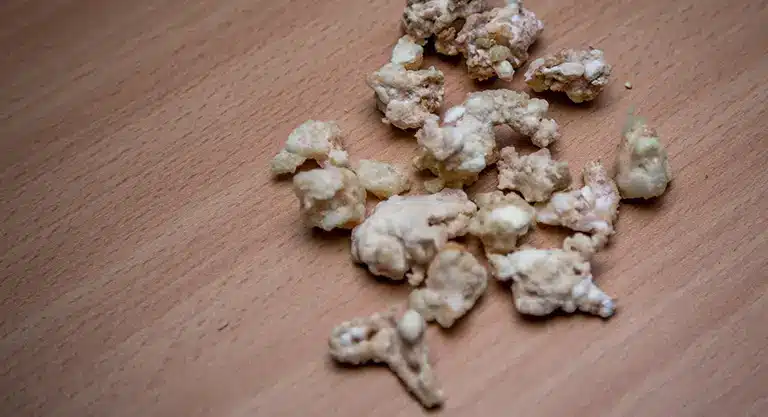
Crack cocaine is a formidable foe. This processed form of cocaine is smoked for a rapid, intense high, making it more potent and addictive than powdered cocaine. The affordability, potency, and quick action of crack cocaine have led to its widespread distribution and abuse, especially in urban areas.
Cocaine addicts, struggling with drug addiction, find themselves in a vicious cycle, the euphoria of the high quickly replaced by the desperation for the next hit.
Rapid Onset of Addiction
The concern lies significantly in the rapid onset of addiction to crack cocaine. The high from smoking crack cocaine reaches its zenith in just 10-15 seconds, and the effects hit the brain in less than 8 seconds. This immediacy contributes significantly to the addictive potential of crack cocaine, with some individuals becoming addicts in as little as two to three weeks.
Quitting becomes a Herculean task once addiction has taken hold. Strong cravings for crack cocaine coupled with the need to avoid unpleasant withdrawal symptoms make it extremely difficult for users to break free from the chains of addiction. This combination of rapid onset and intense addiction positions crack as one of the most destructive drugs.
Severe Physical and Psychological Effects
Crack’s effects strike immediately and severely. As soon as crack is used, it energizes the central nervous system, increases the heart rate, raises blood pressure, releases mood hormones, and can induce:
- sweating
- temperature changes
- muscle weakness
- nausea
It’s a whirlwind of physical effects, all triggered by the intake of this powerful stimulant, which could potentially lead to a heart attack.
Just as distressing are the psychological effects of crack use. Users often experience profound psychological effects after the initial high, including intense lows, sadness, depression, irritability, anxiety, sleeplessness, and disturbed sleep patterns. Over time, prolonged use can lead to serious long-term effects like severe depression, behavioral changes, cognitive impairments affecting memory and stress response, and increased risk of infectious diseases.
Chronic use can also cause significant health issues like cardiovascular problems, lung damage, and respiratory issues. The immediate high comes with a high price.
Want to Learn More about Crack Addiction?
Our addiction recovery team is here 24/7 to answer your questions or to get you help.
The Science Behind Crack Cocaine’s Grip
A grasp of the science behind crack cocaine’s grip on its users is a key to understanding the addiction. Crack blocks the neuronal uptake of dopamine, leading to amplified activity and increased availability of dopamine in the brain. This excess dopamine is what causes the intense euphoria experienced by users.
However, extended use of crack cocaine can lead to a decrease in dopamine levels and an increase in dopamine receptor expression in the prefrontal cortex. Furthermore, crack cocaine-induced changes in the dopaminergic system may be influenced by alterations in the endocannabinoid system within the prefrontal cortex. The endocannabinoid system, which affects dopamine activity, is affected by crack cocaine use, with most genes related to this system being downregulated after prolonged exposure.
These scientific insights illuminate the complex and powerful hold crack has on its users, including crack addicts.
Comparing Crack to Other Forms of Cocaine
Crack cocaine stands out as more potent and addictive when compared to other forms of cocaine. The key to this heightened potency lies in the rapid release of excess dopamine and the accelerated onset of addiction when smoked. In addition to this, the neurotoxicity of crack cocaine is heightened by the presence of anhydroecgonine methyl ester (AEME), a harmful compound produced exclusively when cocaine is smoked rather than consumed in other forms.
Unlike powdered cocaine, which is typically snorted or injected, crack cocaine is a purer, solid, rock-like substance. It is created through a chemical process that eliminates hydrochloride, making it different from powdered cocaine. The act of smoking crack causes an almost instantaneous and powerful high that is short-lived, leading to a cycle of binge use as individuals seek to recapture the initial euphoric effect.
Recognizing the Signs of Crack Abuse
The first step toward intervention and treatment is recognizing the signs of crack cocaine abuse, crack abuse, and cocaine use disorder. Individuals using crack cocaine often exhibit signs such as:
- Hyperactivity
- Abnormal level of confidence
- Restlessness
- Neglecting responsibilities
These behavioral changes can be a red flag, signaling that something is amiss.
Physical indications of crack cocaine use can be quite telling. The presence of dilated pupils, burnt or cracked lips from smoking, and marks on the fingers can all be signs of crack cocaine use. Severe withdrawal symptoms like nausea, paranoia, physical discomfort, and an intense craving for the drug are clear indicators of crack cocaine addiction.
The Social and Economic Impact of Crack Addiction
Crack addiction has a profound social and economic impact. Crack cocaine became prevalent in the 1980s, particularly among lower socioeconomic status individuals due to its lower price compared to powder cocaine. This accessibility led to a surge in use and a subsequent rise in addiction.
The widespread use of crack has led to:
- High levels of stigmatization among the general public and even among illicit drug users
- Social perceptions and users’ experiences, often making it harder for addicts to seek help and recover
- The economic cost of crack addiction, which is immense and affects not only the individual but also the community and society at large.
Overcoming Crack Addiction: Topsail’s Approach
While overcoming crack addiction may seem daunting, it’s definitely not impossible. Topsail, a rehabilitation facility, provides comprehensive rehab programs specifically designed for individuals struggling with crack addiction. Their programs, including the Full Day Program, also known as the Partial Hospitalization Program (PHP), the Half Day Program or the Intensive Outpatient Program (IOP), and the Outpatient Program, are meticulously crafted to meet the needs of those battling crack addiction.
If you are looking for help in the battle against your crack cocaine addiction in MA please reach out today!
Evidence-Based Treatment Options at Topsail
Topsail holds a strong belief in the power of evidence-based treatment. Behavioral therapies form a key component of the crack addiction treatment regimen. These therapies help individuals understand their addiction, identify triggers, and develop coping mechanisms.
Individualized care is another cornerstone of Topsail’s approach. Each person struggling with addiction is unique, and their treatment plan should be too. At Topsail, they emphasize treating each individual with compassion and respect through behavioral-cognitive therapy. They offer a comprehensive range of evidence-based addiction treatment options, tailored to the needs of the individual.
Support Systems and Aftercare
Successful recovery from crack addiction heavily relies on support systems and aftercare. The brain can be rewired back to its original and healthy state through appropriate treatment, but this healing process takes time and continued support. Aftercare is part of the treatment process, focusing on maintaining recovery and preventing relapse.
While specific support systems and aftercare services provided by Topsail are not detailed in this blog post, the importance of these elements cannot be overstated. A strong support network and consistent aftercare can make all the difference in helping an individual maintain their recovery from crack addiction.
Navigating Legal and Health Concerns
Serious concerns arise from the legal and health aspects associated with crack cocaine. The Controlled Substances Act, along with the Anti-Drug Abuse Act of 1986, significantly increased penalties for crack cocaine offenses, underscoring the harsh legal ramifications for those caught in possession or distribution. Despite some reduction in legal penalties between crack and powdered cocaine offenses with the Fair Sentencing Act of 2010, the repercussions remain severe.
On the health front, individuals seeking help for crack cocaine addiction can access health services through SAMHSA’s confidential referral and treatment information. In case of a crack cocaine overdose, it’s critical to call 911 immediately and provide the necessary assistance until professional help arrives.
Crack cocaine is a potent and highly addictive form of cocaine. Its rapid onset of addiction and severe physical and psychological effects make it one of the most destructive drugs. However, with understanding, support, and effective treatment, recovery is possible. At Topsail, they offer comprehensive treatment programs, evidence-based treatments, and individualized care. The journey to recovery may be challenging, but remember – you are not alone, and success is achievable.
Related Posts

Opioid Misuse Signs in Older Adults
Key Takeaways Opioid misuse in adults 65 and older is rising and often mistaken for “normal aging,” leading to delayed diagnosis and preventable harm such

Teen Prescription Drug Misuse: What You Need to Know
Key Takeaways Teen prescription drug misuse involves using medications without a prescription, in higher doses than directed, or for reasons other than prescribed—and nearly 1

Benzo Addiction Explained: The What, Why and How
Key Takeaways Benzodiazepines like Xanax, Klonopin, Ativan, and Valium are among the most widely prescribed prescription drugs in the United States, yet physical and psychological

How Addictive Is Fentanyl?
Key Takeaways Fentanyl is one of the most addictive and dangerous opioids in the current U.S. drug supply, driving the majority of overdose deaths since

Prescription Stimulant Misuse Signs: A Guide
Prescription stimulant misuse has become increasingly common, particularly among college students and young adults seeking academic or work performance enhancement. While these medications serve important

Recovery from Multiple Drug Dependencies
Yes, recovery from multiple drug dependencies is absolutely possible. Every year in the United States, thousands of people successfully overcome long-term addictions to multiple substances—whether